

Ultimate Travel Guide to Zion National Park
Zion National Park is a beautiful place in the state of Utah. It’s known for its big red cliffs, deep canyons, and green valleys. Every year, millions of people visit Zion to enjoy nature, take photos, and go hiking. The park is great for people who love the outdoors, and it has something for everyone—whether you just want to take a short walk or go on a big adventure.
Zion is one of the most popular national parks in the United States. People love it because the views are amazing, and many of the trails are easy to get to. Some hikes, like Angels Landing and The Narrows, are very famous. There’s also a shuttle system that helps visitors move around the park without needing a car. This makes it easier and better for the environment too.
The park is located near a small town called Springdale in southern Utah. Springdale is right next to the park entrance, and it has hotels, restaurants, and shops. If you’re coming from farther away, cities like Hurricane, St. George, and even Las Vegas are nearby and good places to start your trip. No matter how you get there, Zion is worth the visit!
2. Zion National Park History
Zion National Park has a deep and rich history, starting long before it became a popular travel destination. The land was originally home to the Ancestral Puebloans and later the Paiutes, Native American tribes who lived in the area for thousands of years. These early inhabitants left behind important cultural sites, like rock art and tools, that show their connection to the land and the natural resources around them.
In the mid-1800s, Mormon settlers discovered Zion Canyon and began to explore the area. They named the canyon “Zion,” which means “a place of peace and refuge” in Hebrew. The settlers were drawn to the area’s beauty and believed it was a perfect place to settle. As more people came to see the area, Zion started to grow in popularity.
Zion National Park was officially established in 1919, after the efforts of early conservationists and local leaders. The park’s creation helped protect the stunning landscapes and unique wildlife from development. Over time, tourism has continued to grow, and conservation efforts have evolved to keep the park beautiful for future generations. Today, Zion is one of the most well-preserved national parks in the U.S., attracting visitors from all over the world.
3. What City is Zion National Park In?
Zion National Park is located near the small town of Springdale, Utah. Springdale is the closest town to the park and serves as the main gateway for visitors. It offers a variety of accommodations, restaurants, and shops, making it a convenient place to stay while exploring the park. From Springdale, it’s easy to access the park’s entrance and shuttle services.
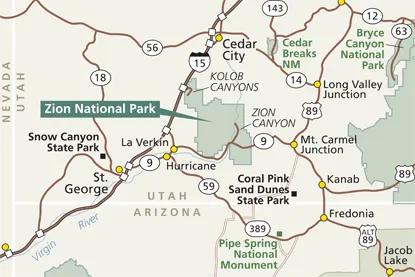
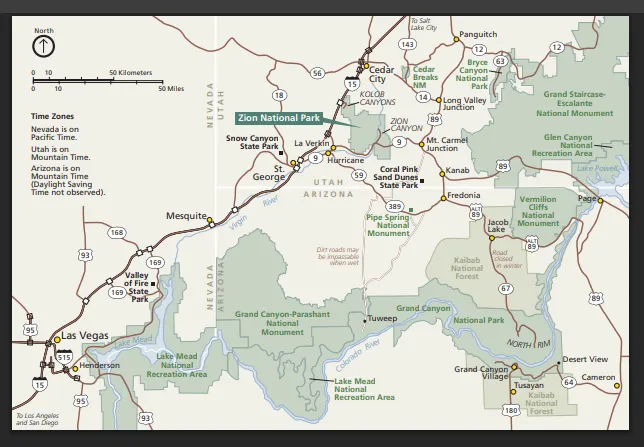
For those looking to plan a broader trip, there are several nearby cities worth considering. Hurricane and St. George are also close to Zion, offering more options for lodging and services. If you’re flying in from afar, Las Vegas, Nevada, is about a 2.5-hour drive from Zion, making it a popular starting point for many visitors. These nearby cities make it easy to explore Zion and the surrounding areas on your trip.
4. Zion National Park Tickets & Passes
Zion National Park offers various entrance fees and passes to accommodate different visitor needs. Here’s a breakdown:
Entrance Fees:
- Private Vehicle: $35 per vehicle, admitting all occupants. Valid for 7 days.
- Motorcycle: $30 per motorcycle, admitting the rider and one passenger. Valid for 7 days.
- Per Person (on foot, bicycle, or motorcycle): $20 per individual aged 16 and over. Children under 16 are free. Valid for 7 days.
America the Beautiful Pass:
This annual pass costs $80 and provides access to over 2,000 federal recreational sites, including Zion National Park. It covers entrance fees for the pass holder and passengers in a non-commercial vehicle or the pass holder plus three adults where per-person fees are charged (children under 16 are always admitted free). The pass is valid for 12 months from the month of purchase.
Free Entry Days:
The National Park Service designates several fee-free days each year, during which entrance fees are waived.
- Martin Luther King Jr. Day: Mid-January
- First Day of National Park Week: Mid-April
- Juneteenth National Independence Day: June 19
- Anniversary of the Great American Outdoors Act: August 4
- National Public Lands Day: Late September
- Veterans Day: November 11
Please note that while entrance fees are waived on these days, other fees (like camping or tour fees) may still apply.
Purchasing Tickets and Passes:
Entrance fees can be paid upon arrival at Zion National Park’s entrance stations. For the America the Beautiful Pass, you can purchase it at park entrance stations, online through the U.S. Geological Survey, or at participating retail outlets. Remember, passes are non-transferable and must be signed by the pass holder. It’s recommended to check the official Zion National Park website or contact the park directly for the most current information on fees and pass availability before your visit.
5. Best Time to Visit Zion National Park
Zion National Park is a year-round destination, but the best time to visit depends on what you’re looking for in your trip. Here’s a breakdown of the seasons:
Spring (March–May)
Spring is one of the most beautiful times to visit Zion. The weather is mild, and the park is alive with wildflowers and flowing waterfalls from the melting snow. The crowds are generally smaller compared to summer, making it a perfect time for hiking and enjoying nature without the high heat or large crowds. This is an excellent time for those who want to experience the park’s vibrant colors and pleasant weather.
Summer (June–August)
Summer is the peak season at Zion National Park, so you can expect larger crowds and higher temperatures. Daytime temperatures often exceed 100°F (38°C), especially in the lower canyon areas.
Some hikes, like Angels Landing, can be very hot and demanding during the summer months, so it’s important to stay hydrated and start early in the day. Although this is the most crowded season, the park’s shuttle system makes getting around easier, and it’s still a great time for sightseeing if you can handle the heat.
Fall (September–November)
Fall is considered by many to be the best time to visit Zion. The weather is cooler and more comfortable, with daytime temperatures averaging around 70°F (21°C).
The fall foliage adds stunning colors to the landscape, creating perfect photo opportunities. Crowds tend to thin out after the summer, giving visitors a more peaceful experience while still enjoying mild weather for hiking and outdoor activities.
Winter (December–February)
Winter offers the quietest time to visit Zion. The park is much less crowded, and you can enjoy the tranquility of the snow-covered landscapes.
However, some trails and areas may be inaccessible due to snow or ice, and temperatures can drop to below freezing.
If you’re prepared for cold weather and are okay with some limited access, winter can be a peaceful and reflective time to experience Zion without the crowds.
6. Zion National Park Weather
Zion National Park experiences a variety of weather conditions throughout the year, which can greatly impact your visit. Understanding the seasonal temperatures, the risk of flash floods, and what to pack for each season can help ensure a safer and more enjoyable trip.
Seasonal Temperatures:
- Spring (March–May): Spring temperatures are generally mild and comfortable. Daytime temperatures range from 60°F to 80°F (15°C to 27°C), while nights can still be chilly, especially in March. It’s a great time to enjoy hiking and outdoor activities without extreme heat.
- Summer (June–August): Summer brings very hot temperatures, especially in the lower elevations of the park. Daytime highs can reach 100°F (38°C) or higher, with cooler temperatures at higher elevations. Be prepared for intense heat, especially if you’re hiking in the afternoon.
- Fall (September–November): Fall offers cooler and more pleasant weather, with daytime highs ranging from 70°F to 80°F (21°C to 27°C). Nights can get chilly, especially in October and November. It’s an ideal time to visit, with moderate temperatures for hiking and outdoor activities.
- Winter (December–February): Winter temperatures can vary widely. Daytime temperatures range from 40°F to 60°F (4°C to 15°C), but it can drop below freezing at night, especially in the higher elevations. Snow is possible, particularly in the higher parts of the park, giving Zion a peaceful winter atmosphere.
Flash Flood Risk in Monsoon Season:
Zion is located in a desert region, which means it is prone to flash floods, particularly during the monsoon season, which typically runs from mid-July to September. During this time, heavy rainfall can quickly turn dry streambeds into rushing torrents, especially in the canyon areas.
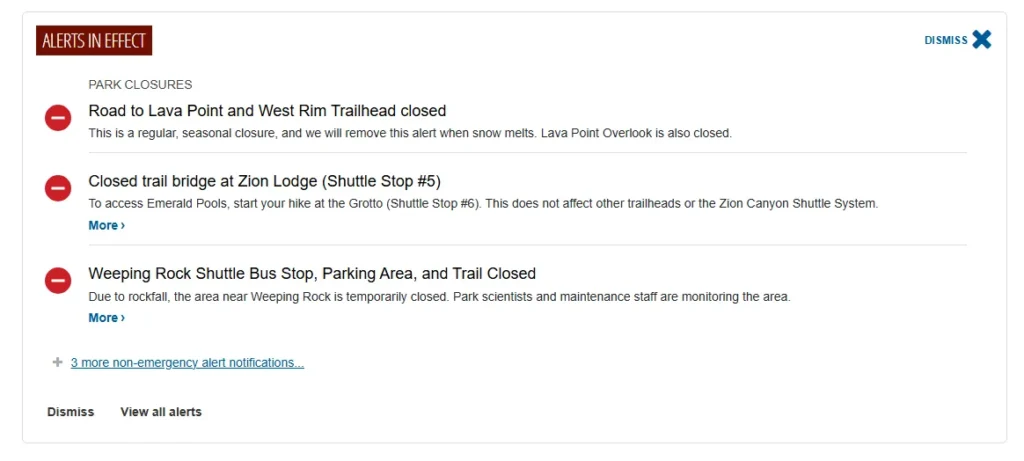
It’s important to stay aware of weather forecasts and flash flood warnings. If you’re hiking or planning to visit during the monsoon season, avoid narrow canyons and always check the weather before setting out.
What to Pack Based on Season:
- Spring: Pack light layers for daytime warmth and a jacket for cooler evenings. Bring hiking shoes, sunscreen, and a hat for sun protection. A water bottle is essential to stay hydrated.
- Summer: Prepare for the heat with lightweight, breathable clothing, a wide-brimmed hat, and plenty of sunscreen. Hiking in the cooler mornings or evenings is best, so bring layers for early starts and late returns. Don’t forget a refillable water bottle and snacks for your hikes.
- Fall: Bring layers that can easily be added or removed as temperatures change throughout the day. A light jacket or fleece is useful for cooler evenings. You’ll still want sunscreen and a hat for sun protection.
- Winter: Warm layers are essential, especially in the evenings and mornings. Pack a heavy jacket, gloves, and a beanie for higher elevations. Waterproof hiking boots are a good idea in case of snow or ice on the trails.
7. Zion National Park Map & Navigation
Zion National Park is vast, and understanding its layout is essential for exploring the park efficiently and safely. Here’s an overview of the park’s layout and navigation options:
Overview of Park Layout:
Zion National Park is divided into several key areas, but the most visited and iconic part is Zion Canyon, where most of the park’s popular trails and attractions are located. The park spans over 146,000 acres, with diverse landscapes ranging from towering red rock cliffs to lush canyons. Zion Canyon is the heart of the park, and most visitors focus their time here. Other areas, such as Kolob Canyons and Kolob Terrace Road, offer quieter, less crowded experiences.
Zion Canyon Scenic Drive:
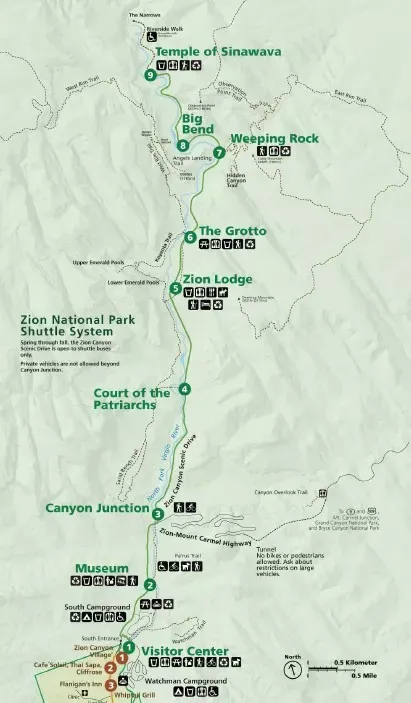
The Zion Canyon Scenic Drive is the main road that runs through the park and offers breathtaking views of the canyon’s towering cliffs and rock formations. This drive is popular with visitors who want to see the park’s most famous features without hiking. However, during peak season (typically March–late November), the scenic drive is closed to private vehicles, and visitors must use the shuttle system. Outside of peak season, you can drive your own vehicle along this scenic route. Be sure to stop at the viewpoints to fully experience the beauty of Zion.
Zion Shuttle System (Seasonal):
To reduce congestion and protect the park’s environment, Zion operates a shuttle system from March through late November. The shuttle system is the primary way to travel around Zion Canyon during these months. The shuttle buses run frequently and stop at all key locations along Zion Canyon, including trailheads, viewpoints, and the Visitor Center. It’s free and efficient, and it helps minimize traffic within the park. During the winter months, the shuttle system is not in operation, and visitors can drive their own vehicles into Zion Canyon.
Trail Maps and Visitor Center Info:
When visiting Zion, it’s highly recommended to stop at the Zion Visitor Center located near the entrance to the park. Here, you can pick up a free trail map, get current information on trail conditions, and ask about weather and safety alerts.
The Visitor Center also has helpful displays and exhibits about the park’s geology, history, and wildlife. Trail maps are available for all the park’s hiking routes, from easy walks like the Lower Emerald Pools to more challenging hikes like Angels Landing.
Be sure to ask the rangers for the most up-to-date information on trail conditions, especially during the monsoon season, as some trails may be closed due to flash flood risks.
8. Zion National Park Photos & Scenery Highlights
Zion National Park is one of the most photographed places in the United States—and for good reason. Its tall red cliffs, narrow canyons, and sweeping views make it a dream for nature lovers and photographers alike. Whether you’re using a phone or a professional camera, you’ll find plenty of stunning spots to capture.
Famous Photo Spots:
- Angels Landing: One of the park’s most iconic hikes, Angels Landing offers jaw-dropping views from the top. The trail is steep and narrow, but the reward is a panoramic view of Zion Canyon that makes for an unforgettable photo. The best shots are usually taken at the top during early morning or late afternoon when the light is soft.
- The Narrows: This unique hike takes you through the Virgin River between towering canyon walls. The water reflections and narrow rock formations make it perfect for dramatic photos. Early morning is best to avoid crowds and capture the peaceful atmosphere.
- Canyon Overlook: A short and fairly easy hike leads to this viewpoint. It’s a favorite for sunrise and sunset photos, offering sweeping views over Zion Canyon. It’s less crowded than other spots, making it easier to set up for a great shot.
- Watchman Trail at Sunset: This trail is not too difficult and ends with a beautiful view of the Watchman, one of Zion’s most famous rock formations. At sunset, the rocks glow in warm colors, creating a perfect photo opportunity.
Best Times for Photography:
The golden hours—just after sunrise and just before sunset—are the best times for photography in Zion. During these times, the light is softer and adds warm tones to the red rocks, creating a magical look. Midday light can be harsh, especially in the canyons, but it’s still good for some shots with deep shadows and contrast. For fewer people in your shots, early mornings are the best, especially on popular trails like Angels Landing and The Narrows.
No matter where you go in Zion, you’ll find photo-worthy moments around every corner—just remember to enjoy the views with your eyes too!
9. Things to Do in Zion National Park
Zion National Park is full of exciting adventures for all kinds of travelers. Whether you love hiking, relaxing in nature, or exploring new views, there’s something for everyone. Below are some of the best things to do, especially if you enjoy outdoor activities.
Hiking Trails
Zion is best known for its hiking trails. Some are easy and family-friendly, while others are more challenging and full of thrills.
- Angels Landing (Permit Required):
This is one of the most famous and exciting hikes in the U.S. It takes you to the top of a narrow rock ridge with steep drop-offs on both sides. You need a permit to hike it, and it’s not recommended if you’re afraid of heights. But if you’re up for the challenge, the view from the top is unforgettable. - The Narrows (Water Hike):
The Narrows is a unique hike where you actually walk in the Virgin River through a deep, narrow canyon. It’s cool, refreshing, and absolutely beautiful. You’ll need proper shoes and a walking stick, and it’s best to check with the visitor center before starting in case of flash flood warnings. - Emerald Pools:
This trail is perfect for families or those looking for an easier walk. It takes you to beautiful pools of water and small waterfalls. There are three levels—Lower, Middle, and Upper—so you can choose how far you want to go. - Observation Point:
This is a longer and more difficult hike, but it gives one of the best views in the park—higher than even Angels Landing! From the top, you can look down into Zion Canyon and see miles of stunning rock formations.
Bicycling
Bicycling is a fun way to explore Zion, especially along the Pa’rus Trail and Zion Canyon Scenic Drive (when the shuttle is running, bikes are still allowed). It’s peaceful, allows you to move at your own pace, and offers great views without the crowds. You can bring your own bike or rent one from shops in Springdale, just outside the park.
Stargazing
Zion is a perfect place for stargazing because of its dark skies and low light pollution. On clear nights, you can see thousands of stars, the Milky Way, and even shooting stars. The best spots for stargazing include Canyon Junction, Kolob Canyons, and the area near the Zion Human History Museum. Bring a blanket, lie back, and enjoy the sky show.
Canyoneering and Riverside Walks
Zion is a popular place for canyoneering, which combines hiking, climbing, and rappelling through narrow canyons. You need special gear and skills, so many people go with guided tours. It’s a thrilling way to see hidden parts of the park.
If you prefer something easier, try the Riverside Walk. It’s a flat and relaxing walk along the Virgin River, leading to the entrance of The Narrows. It’s great for all ages and offers lovely views of the canyon walls and river.
Backpacking
For those looking for a deeper adventure, backpacking in Zion offers a chance to escape the crowds and enjoy the wild beauty of the park. There are several backcountry trails where you can camp overnight, such as West Rim Trail or La Verkin Creek Trail. You’ll need a permit, proper gear, and a good plan—but the experience is worth it for those who love nature and solitude.
10. Zion National Park Hotels & Lodging
When planning a trip to Zion National Park, choosing where to stay is an important step. Whether you want to stay inside the park or nearby in a cozy town, there are many good options to fit different budgets and travel styles.
Lodging Inside the Park (Zion Lodge)
The only place to stay inside the park is Zion Lodge. It’s located right in Zion Canyon, so you’re close to the hiking trails and scenic views. The lodge has comfortable rooms and cabins. It’s very peaceful and perfect if you want to enjoy nature all day and night. But it fills up fast, so book many months in advance—especially for spring and fall.
Springdale Hotels and B&Bs
Right outside the park entrance is the town of Springdale. This small, friendly town offers many hotels, motels, and bed & breakfasts. You can find both luxury and budget stays here. Plus, most places are just a few minutes from the park gates and near shuttle stops, restaurants, and gear rental shops.
Nearby Campgrounds and RV Parks
If you enjoy camping, there are two campgrounds inside Zion: Watchman Campground (near the visitor center) and South Campground. Both have basic facilities and beautiful views. They get booked quickly during peak months, so reserve early.
Outside the park, you’ll find more campgrounds and RV parks in Springdale, Hurricane, and nearby areas. These places often offer more amenities like showers, electricity, and even Wi-Fi.
Tips for Booking Early During Peak Season
- Peak season is from March to October, when the weather is best and most trails are open.
- Lodging inside the park and in Springdale gets full very early. Try to book at least 3–6 months ahead.
- If you’re flexible with your dates or can visit during the week, it’s easier to find a spot.
- Consider staying in nearby towns like Hurricane or La Verkin if everything in Springdale is full.
11. Travel Tips for Visiting Zion National Park
To make the most of your trip to Zion National Park, it helps to plan smart. Here are some easy and useful travel tips that will help you enjoy your visit, stay safe, and protect the park for future travelers.
When to Go to Avoid Crowds
Zion gets very crowded during spring, summer, and holidays. If you want a quieter experience, visit in the winter (December to February) or early spring (March). Try to explore the park early in the morning or later in the afternoon, even in busy months. Weekdays are also less crowded than weekends.
Shuttle System & Parking Tips
From March to late November, Zion uses a free shuttle system to reduce traffic inside the main canyon. You can’t drive your car on the Zion Canyon Scenic Drive during this time, so you must park at the visitor center or in Springdale and take the shuttle. Arrive early in the day, as parking lots fill up fast. Shuttles come often and stop at all the main trailheads.
Safety: Flash Floods, Heat & Altitude
- Flash floods can happen suddenly, especially in The Narrows and slot canyons. Always check the weather and flood warnings before hiking.
- In summer, temperatures can go above 100°F (38°C). Bring plenty of water, wear a hat, sunscreen, and take breaks in the shade.
- Some hikes, like Angels Landing or Observation Point, involve high altitudes. Take your time and rest if you feel tired or dizzy.
Leave No Trace Principles
Help protect Zion’s natural beauty by following these simple rules:
- Stay on marked trails
- Take your trash with you
- Don’t feed or touch animals
- Avoid picking plants or rocks
- Keep noise levels low to respect wildlife and other visitors
Packing Essentials
Here’s what you should bring with you:
FAQ’s
Conclusion
Zion National Park is a place full of natural beauty and adventure. From its tall red cliffs to peaceful rivers and amazing hiking trails, it offers something special for everyone. Whether you’re taking pictures at Angels Landing, walking through the waters of The Narrows, or just enjoying the view, every moment at Zion feels unforgettable.
As more people visit each year, it’s important to explore Zion responsibly. Follow the rules, respect wildlife, and help keep the park clean and safe. By doing this, we can protect Zion for future generations to enjoy too.
Before your trip, plan ahead. Choose the right season, book your stay early, and learn about the park’s shuttle system and hiking rules. Pack smart, stay safe, and be ready to explore. With good planning and care, your visit to Zion National Park will be one you’ll remember forever.


Good
Good
Good
Good