
The Ultimate Guide to Yosemite National Park
Yosemite National Park is one of the most beautiful and famous parks in the world. Located in California, it is known for its tall granite cliffs, giant sequoia trees, waterfalls, and clear rivers. People from all over the world visit to see its natural beauty and enjoy outdoor activities.
Yosemite is not only important in the U.S. but also holds global recognition. Its rich natural history, stunning landscapes, and wildlife make it a special place for nature lovers and adventure seekers. It also played a big role in starting the national park idea in America, which makes Yosemite National History very important.
In this guide, you’ll learn why you should visit Yosemite, the best time to go, how to get there, and which entrances to use. We’ll also cover the must-see attractions, top activities, important travel information, pro travel tips, and the best accommodation options to make your trip smooth and memorable. Yosemite’s breathtaking views and peaceful nature are sure to leave you amazed.
History of Yosemite National Park
Long before it became a national park, Yosemite was home to Native American tribes, especially the Ahwahneechee people. They lived in the Yosemite Valley for thousands of years, respecting and living in harmony with nature. The name “Yosemite” comes from a Native American word, believed to mean “those who kill,” which settlers used for the local tribes. For the native people, the valley held deep spiritual and cultural meaning. They hunted, fished, and gathered food from the land while respecting its balance.
Discovery by Settlers
In the mid-1800s, during the California Gold Rush, settlers and explorers started to enter the valley. The first well-documented visit by non-Native people happened in 1851 when the Mariposa Battalion entered the area during a conflict with Native Americans. They were amazed by the valley’s beauty and began to spread the word, which soon attracted artists, writers, and travelers.
Establishment as a National Park
As word spread about the stunning beauty of the Yosemite Valley and the Mariposa Grove of giant sequoias, concerns grew about preserving the land. In 1864, President Abraham Lincoln signed the Yosemite Grant, setting aside Yosemite Valley and Mariposa Grove for public use and protection. This marked the first time the U.S. government protected land for its beauty and public enjoyment, laying the foundation for the national park system. In 1890, Yosemite officially became a national park, protecting more land beyond the original grant.
Role of John Muir and President Theodore Roosevelt
John Muir, a naturalist and writer, played a major role in promoting the protection of Yosemite. He spent years exploring the area and writing about its beauty. His passion for nature influenced public opinion and leaders. In 1903, he took President Theodore Roosevelt on a camping trip in Yosemite. The trip had a huge impact on Roosevelt, who later helped expand the national parks system and strengthen protections for Yosemite. Muir’s efforts earned him the title “Father of the National Parks.”
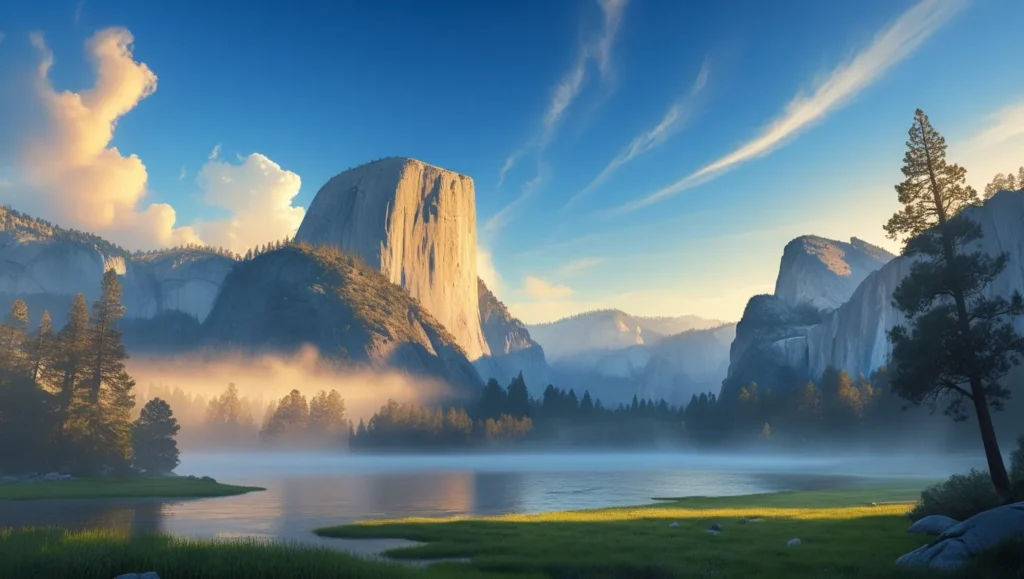
The history of Yosemite National Park is a story of deep native roots, natural wonder, and strong efforts to protect and preserve it for future generations.
Why Visit Yosemite National Park?
Unique Natural Wonders
Yosemite is full of amazing natural sights you won’t find anywhere else. From tall granite cliffs to peaceful meadows and clear rivers, every part of the park shows off the power and beauty of nature.
Iconic Landmarks (El Capitan, Half Dome, Yosemite Falls)
Some of the most famous places in the park are El Capitan, a massive rock wall loved by climbers; Half Dome, a giant granite peak with a unique shape; and Yosemite Falls, one of the tallest waterfalls in North America. These landmarks are must-see attractions for every visitor.
Yosemite National Park Reviews Highlighting Visitor Experiences
People from all over the world visit Yosemite and leave glowing reviews. Many say it’s the most beautiful place they’ve ever seen. Visitors love the peaceful walks, exciting hikes, and the chance to connect with nature. Families, solo travelers, and adventure seekers all find something special here.
Yosemite National Park Photos to Capture the Park’s Beauty
Photos taken at Yosemite show just how beautiful the park really is. From sunrise over Half Dome to the misty waters of Yosemite Falls, every photo captures a magical moment. If you love photography or just want to keep memories, this park is a dream come true.
Breathtaking Scenery and Biodiversity
Yosemite is home to green forests, wildflowers, rivers, lakes, and many animals like bears, deer, and birds. The variety of life and landscapes makes every trip feel new and exciting.
Peace, Adventure, and Inspiration for All Travelers
Whether you want a quiet spot to relax or a trail to explore, Yosemite offers both peace and adventure. It’s a place where you can feel calm, be inspired, and enjoy the great outdoors. That’s why millions of people visit Yosemite National Park every year.
Best Time to Visit Yosemite National Park
Spring (Waterfalls in Full Force)
Spring is one of the best times to visit Yosemite National Park. As the snow melts, the waterfalls are full and powerful, especially Yosemite Falls and Bridalveil Fall. Flowers begin to bloom, and the valley looks fresh and green.
Weather: Days are cool to warm (50–70°F), and nights are still chilly.
Summer (Access to All Areas)
Summer is the most popular season because all roads and trails are open, including Glacier Point and Tioga Pass. It’s a great time for hiking, camping, and seeing every part of the park.
Weather: Warm to hot days (70–90°F), with cool nights. It’s dry and sunny most of the time.
Fall (Fewer Crowds, Colorful Foliage)
Fall is calm and peaceful. Trees in Yosemite Valley turn orange, red, and yellow, making the views even more beautiful. The crowds are smaller, so it’s easier to enjoy the park in quiet.
Weather: Cool days (50–70°F) and colder nights. Waterfalls are smaller, but the fall colors are amazing.
Winter (Snow Sports and Serene Landscapes)
Winter turns Yosemite into a snowy wonderland. It’s perfect for skiing at Badger Pass, snowshoeing, or just enjoying the peaceful, snowy views. Fewer visitors come, so it feels quiet and calm.
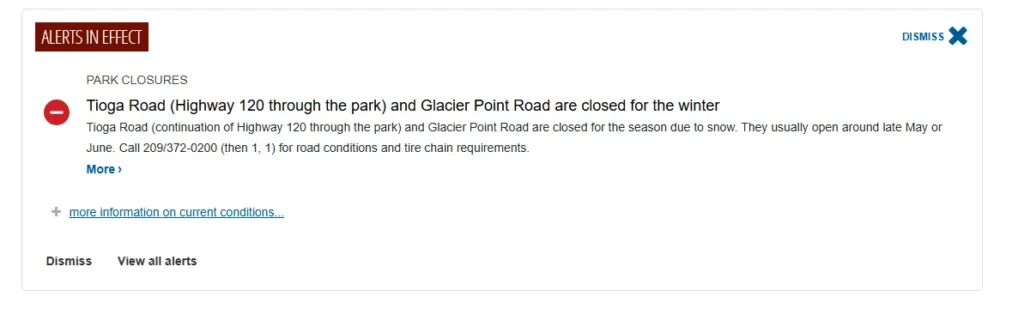
Weather: Cold days (30–50°F) and freezing nights. Some roads like Tioga Pass and Glacier Point Road are closed.
How to Get to Yosemite National Park?
Yosemite National Park is located in the Sierra Nevada mountains of eastern California. The closest town is Mariposa, and the main entrance (Arch Rock Entrance) is near the town of El Portal. The park is about 170 miles east of San Francisco and 300 miles north of Los Angeles.
Nearest Airports
- Fresno Yosemite International Airport (FAT) – about 65 miles from the park, the closest airport
- Merced Regional Airport (MCE) – smaller, about 70 miles away
- Sacramento International Airport (SMF) – about 170 miles away
- San Francisco International Airport (SFO) – around 190 miles away
- Oakland International Airport (OAK) – also around 180 miles from the park
Driving Directions from Major Cities
- From San Francisco: Take I-580 E to I-205 E, then I-5 N and CA-120 E to the Big Oak Flat Entrance. Drive time is about 4–5 hours.
- From Los Angeles: Take I-5 N to CA-99 N, then CA-41 N to the South Entrance. Takes about 6 hours.
- From Sacramento: Take CA-99 S to CA-120 E or CA-140 E to reach the park. Drive time is about 4 hours.
Public Transport Options
- YARTS (Yosemite Area Regional Transportation System) offers bus services from cities like Merced, Fresno, Mammoth Lakes, and Sonora directly into Yosemite.
- Amtrak or Greyhound can bring you to Merced, where you can switch to a YARTS bus.
Tips for Navigating Park Roads
- Roads can be narrow and winding, especially in the mountains. Drive slowly and carefully.
- In winter, snow chains may be required, and some roads like Tioga Pass may be closed.
- Arrive early in the day, especially in summer, to avoid traffic and find parking.
- Gas stations are outside the park, so fill up your tank before entering.
Getting to Yosemite National Park is part of the adventure, and with the right planning, your journey will be just as beautiful as the destination itself.
Entrances and Gateways
The Grand Canyon National Park features several key entrances that provide access to different parts of the park, each with unique scenic routes, seasonal access, and nearby towns for lodging and amenities. Choosing the right entrance depends on the part of the canyon you wish to explore, the time of year, and your travel route.
Big Oak Flat Entrance
- Location: West entrance to the park via Highway 120.
- Best For: Visitors coming from San Francisco or Northern California.
- Nearby Town: Groveland, a quaint Gold Rush-era town with charming inns and restaurants.
- Notable: Provides quick access to scenic drives and connects well to Yosemite National Park for multi-park adventures.
Arch Rock Entrance
- Location: Western entrance near Highway 140.
- Best For: Travelers from Merced or those on a scenic drive through the Sierra foothills.
- Nearby Town: El Portal, just outside the gate, offers a variety of budget and mid-range accommodations.
- Notable: Known for its dramatic rock formations and close proximity to the Merced River.
South Entrance
- Location: Near Tusayan, Arizona, off Highway 64.
- Best For: First-time visitors and those heading to the South Rim, the most popular and accessible area of the park.
- Nearby Town: Tusayan, only a few minutes from the entrance, offers hotels, restaurants, and the Grand Canyon Airport.
- Notable: Open year-round with full visitor services; connects to Grand Canyon Village and multiple iconic viewpoints.
Tioga Pass Entrance (Seasonal)
- Location: Eastern entrance, accessible via Highway 120.
- Best For: Summer visitors crossing the Sierra Nevada from the east.
- Nearby Town: Lee Vining, nestled by Mono Lake, offers rustic lodging and gateway charm.
Notable: Highest vehicle pass in California; closes in winter due to snow. Offers stunning alpine views and access to the North Rim via extended routes.
Nearby Gateway Towns and Accommodations
To enhance your Grand Canyon experience, consider staying in one of these gateway towns, each offering unique lodging options, dining, and visitor services:
- Tusayan, AZ: Closest town to the South Rim; ideal for short stays and quick park access.
- Williams, AZ: On historic Route 66, about an hour from the South Entrance. Offers the Grand Canyon Railway and nostalgic vibes.
- Flagstaff, AZ: A larger city with a wide range of accommodations, restaurants, and outdoor activities. Just 1.5 hours from the South Rim.
- Page, AZ: Near Lake Powell and Antelope Canyon; suitable for North Rim trips or loop road trips.
- Kanab, UT: A hub for visiting multiple parks, including the North Rim, Zion, and Bryce Canyon.
- Kingman, AZ: Good for those coming from Las Vegas or California, with access to the West Rim via Route 66.
Must-See Attractions in Yosemite National Park
Spring (Waterfalls in Full Force)Yosemite Valley is the heart and soul of the park, home to world-renowned landmarks like El Capitan, Half Dome, and Yosemite Falls. Surrounded by towering granite cliffs and bisected by the serene Merced River, the valley offers stunning views, scenic hikes, and countless photo opportunities. Spring and early summer are the best times to visit when waterfalls are in full force, creating a magical atmosphere.
Glacier Point offers one of the most breathtaking panoramic views in Yosemite. Sitting at over 7,200 feet in elevation, it provides a commanding vista of Yosemite Valley, Half Dome, and several majestic waterfalls. It’s especially popular at sunset, when the warm light bathes the landscape in golden hues. Access is seasonal, typically from late May through October, depending on snow.
Mariposa Grove of Giant Sequoias is a tranquil forest filled with over 500 mature sequoia trees, including the ancient Grizzly Giant and the tunnel-carved California Tree. Walking among these towering giants is a humbling and awe-inspiring experience. The grove is accessible year-round, though the fall months offer crisp air and fewer crowds.
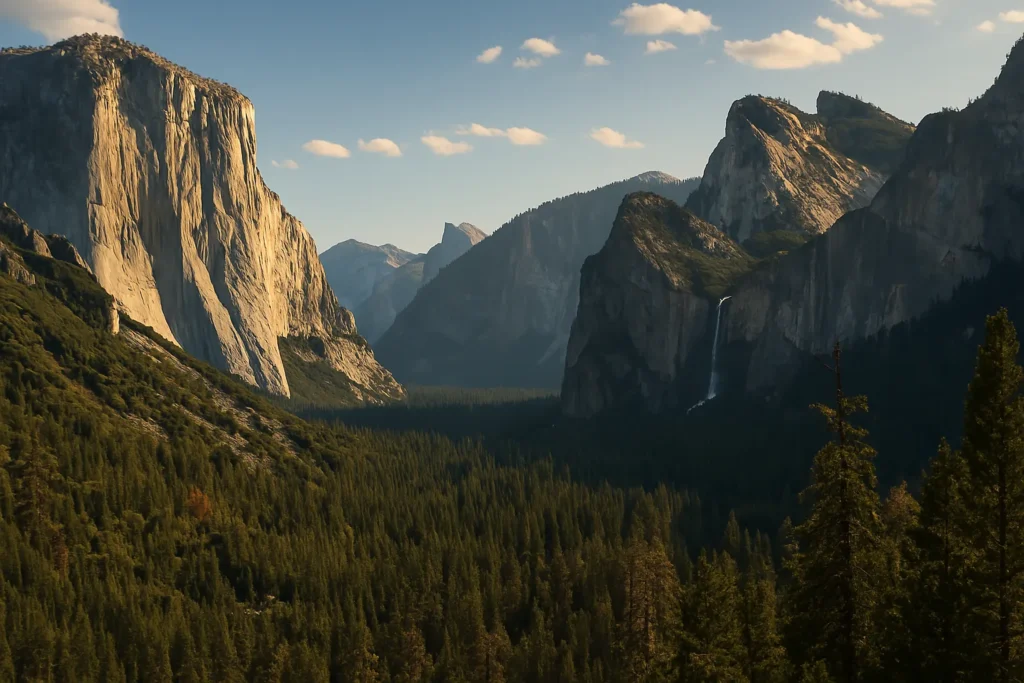
Tunnel View is arguably the most iconic viewpoint in the park. As you exit the tunnel on Highway 41, you’re greeted with a postcard-perfect view of El Capitan, Bridalveil Fall, and Half Dome, all framed by the surrounding granite cliffs. It’s a must-stop for first-time visitors, especially during early morning or late afternoon when lighting is ideal for photography.
Tuolumne Meadows showcases a completely different side of Yosemite. Located in the high country at around 8,600 feet, it’s a peaceful expanse of wildflower-strewn meadows, glacial rivers, and granite domes. It’s a favorite among hikers and backpackers, with trails leading to places like Cathedral Lakes and Lembert Dome. The area is accessible seasonally, usually from late June through October.
Bridalveil Fall is one of the first major waterfalls visible when entering Yosemite Valley. It plunges 620 feet and is especially powerful during the spring melt. Native American legends consider the fall sacred, and its mist often creates rainbows on sunny days, adding to its mystical charm. It’s a short walk from the parking area and accessible year-round.
Top Activities to Do in Yosemite
One of the most popular activities in Yosemite National Park is hiking, and it’s no surprise given the vast array of scenic trails. Whether you’re tackling the iconic Half Dome hike, which rewards adventurers with a stunning 360-degree view of the park, or embarking on the Mist Trail to see the roaring Vernal and Nevada Falls, Yosemite offers hikes for all levels. For those seeking a less strenuous but equally beautiful experience, there are shorter hikes such as the Lower Yosemite Falls Trail or the Glacier Point Trail. Every trail promises a unique perspective of Yosemite’s natural beauty.
Rock climbing and bouldering enthusiasts flock to Yosemite’s granite cliffs, particularly to El Capitan, one of the most famous climbing destinations in the world. Whether you’re an experienced climber or just starting, the park offers opportunities for all skill levels. Bouldering in places like Camp 4 also attracts many climbers, where you can test your strength and technique against the park’s natural rock formations.
For those looking to immerse themselves in the wilderness, camping in Yosemite is an unforgettable experience. With numerous campgrounds, you can sleep under the stars surrounded by towering trees and the distant sounds of waterfalls. Once the sun sets, Yosemite offers incredible stargazing. Due to its remote location, the park’s clear night skies reveal a breathtaking view of constellations, planets, and the Milky Way, making it one of the best places for stargazing in the United States.
Photography and wildlife viewing are top activities for visitors who want to capture the beauty of Yosemite. With towering cliffs, expansive meadows, and breathtaking waterfalls, the park provides a photographer’s paradise. Wildlife enthusiasts can spot black bears, mule deer, and a wide variety of bird species. Early mornings and late afternoons offer the best light for capturing the essence of Yosemite, especially at iconic spots like Tunnel View.
In the winter, Yosemite transforms into a snowy wonderland, providing opportunities for snowshoeing and skiing. The Badger Pass Ski Area offers downhill skiing and snowboarding, while cross-country skiing and snowshoeing trails open up around Glacier Point and Tuolumne Meadows. The park’s winter beauty, with snow-capped peaks and frosted trees, creates a peaceful and serene experience.
Important Travel Information
Yosemite National Park Tickets and Entrance Fees
Before visiting Yosemite National Park, it’s important to be aware of the tickets and entrance fees. The entrance fee for Yosemite is typically around $35 per vehicle for a 7-day pass. There are also discounted rates for visitors arriving on foot, by bicycle, or motorcycle. For those planning to visit multiple national parks, the America the Beautiful Pass offers an annual pass granting access to all national parks in the U.S. for a year. Be sure to check for any seasonal pricing changes or discounts before planning your visit.
Permits and Reservations
Certain activities in Yosemite, such as hiking to Half Dome or camping in the park, require special permits and reservations. Due to its popularity and the challenging nature of the trail, Half Dome hikers must apply for permits, which are distributed through a lottery system. Campgrounds within the park also tend to fill up quickly during peak seasons, so securing a reservation as far in advance as possible is recommended. Reservations can be made up to five months ahead of your visit through the official Yosemite website.
Yosemite National Park Reservation System for Popular Activities
During the peak seasons, especially in the summer, many of the park’s most popular activities—such as lodging, camping, and guided tours—require advanced reservations through the Yosemite National Park reservation system. This helps to regulate visitor numbers, reducing overcrowding and ensuring that the park’s natural beauty remains intact for all visitors. Planning ahead is essential to ensure you don’t miss out on these sought-after experiences.
Lodging Inside and Outside the Park
For those seeking lodging, there are multiple options inside the park, ranging from luxurious accommodations like The Ahwahnee to more budget-friendly options such as Yosemite Valley Lodge. If you’re looking for camping experiences, Yosemite offers a variety of campgrounds with different facilities. For visitors seeking more affordable accommodations outside the park, nearby towns like Mariposa, Oakhurst, and Groveland provide a wide range of motels, inns, and boutique hotels.
Safety Tips and Park Regulations
Yosemite’s rugged terrain and unpredictable weather require visitors to follow essential safety tips and park regulations. Always stay on marked trails and follow posted warnings about wildlife, as bears and other animals roam freely. Fire regulations are strictly enforced to minimize risk to both park visitors and wildlife, so ensure you follow all fire restrictions during your stay. It’s also crucial to carry enough water, pack appropriate clothing for sudden weather changes, and be prepared for emergencies, especially if venturing into more remote areas.
Yosemite National Park Map and How to Navigate the Park
Navigating Yosemite National Park can be overwhelming given its vast size, but having a Yosemite National Park map is essential for getting around. Maps are available at all park entrances and visitor centers, and they can also be accessed online. The park is divided into distinct areas, such as Yosemite Valley, Glacier Point, and Tuolumne Meadows, each offering unique attractions and trails. Be sure to keep an eye on seasonal road closures, trail conditions, and shuttle services available in high-traffic areas to help make your visit more enjoyable.
Pro Travel Tips for Visiting Yosemite National Park
Best Photo Spots and Times for Yosemite National Park Photos
Yosemite National Park is a photographer’s dream, with dramatic landscapes that change with the seasons and time of day. Some of the best photo spots include Tunnel View, where you can capture iconic views of El Capitan, Bridalveil Fall, and Half Dome. Another stunning spot is Glacier Point, especially during sunset when the golden light bathes the park in warmth. For early risers, Yosemite Falls at dawn offers a peaceful scene, and the mist from Bridalveil Fall creates unique rainbows on sunny days. The best times for photography are early mornings and late afternoons when the lighting is softer, and the park is less crowded.
Packing Checklist by Season
Packing for your trip to Yosemite will depend on the season you’re visiting. In summer, lightweight, moisture-wicking clothes, sunscreen, a wide-brimmed hat, and sturdy hiking shoes are essential. If you’re visiting in spring, a jacket is recommended, as temperatures can be cool, and waterproof gear might be necessary due to the spring melt and high water levels in waterfalls. Fall brings cooler weather, so layers are key, along with hiking boots and a warm jacket for evening chill. If you’re visiting in winter, pack heavier layers, including waterproof boots, gloves, and snow gear for activities like snowshoeing and skiing.
Dealing with Crowds and Parking
Yosemite can get crowded, especially during peak seasons (summer and holidays). Dealing with crowds and parking can be challenging, but there are a few tips to make it easier. Arriving early in the morning or later in the evening can help you avoid the busiest times. Yosemite offers shuttle services to key locations, which can be a convenient way to explore without worrying about parking. If you plan on visiting popular spots like Yosemite Valley, consider staying overnight in the park to avoid the worst of the crowds.
Hotels Near Yosemite National Park and Yosemite National Park Lodging Options
While there are lodging options inside Yosemite, such as The Ahwahnee (a historic hotel with luxury amenities) and Yosemite Valley Lodge, visitors who prefer staying outside the park can find accommodations in nearby towns like Mariposa, Oakhurst, and Groveland. Many of these towns offer comfortable motels, bed-and-breakfasts, and boutique hotels that allow for easier access to the park without the need for reservations within Yosemite. However, for those wanting to immerse themselves in nature, camping and glamping options within the park are highly recommended.
Yosemite National Park Flag and Other Symbols for Cultural Interest
Yosemite National Park’s flag and other symbols represent the park’s rich cultural history. The flag features elements from the park’s natural surroundings, honoring both its Native American heritage and the conservation efforts that have preserved it. Visitors can learn more about the cultural significance of the park’s symbols by visiting The Yosemite Museum or attending ranger-led programs that explore Native American history and the early conservation movement that led to the park’s establishment. Understanding the cultural context of Yosemite enhances the experience and deepens your connection to this iconic place.
Leave No Trace Principles
To preserve the beauty of Yosemite for future generations, it’s important to follow the Leave No Trace principles. This means packing out everything you bring in, minimizing your impact on the environment, staying on established trails, and respecting wildlife by observing them from a distance. Additionally, avoid picking plants, disturbing natural features, or making loud noises that might disrupt the tranquility of the park. By following these principles, you help ensure that Yosemite’s landscapes remain unspoiled for others to enjoy.
Accommodation Options
Yosemite National Park offers a variety of lodging options for visitors, ranging from luxurious hotels to rustic campgrounds. Staying within the park allows you to experience its beauty at all times of the day and night, often without the hassle of long drives. The main lodging areas are located in Yosemite Valley, Wawona, and Tuolumne Meadows, offering a mix of hotels, cabins, and campsites. Accommodations inside the park are often in high demand, especially during peak seasons, so early booking is recommended.
Best Hotels Inside and Near the Park
Some of the best hotels inside Yosemite National Park include:
- The Ahwahnee: This historic hotel is one of the most luxurious options in Yosemite. Located in the heart of the park, it offers elegant rooms and stunning views of Yosemite Falls, Half Dome, and Glacier Point. The Ahwahnee is perfect for visitors looking for a more refined experience with world-class dining and exceptional service.
- Yosemite Valley Lodge: Situated near Yosemite Falls, this lodge offers a more affordable option while still providing breathtaking views of the falls and easy access to hiking trails. The lodge has a relaxed atmosphere and offers great dining options as well.
- Wawona Hotel: A Victorian-era hotel with charm, the Wawona Hotel offers a more budget-friendly lodging choice. Located near the Mariposa Grove of Giant Sequoias, it provides convenient access to some of the park’s most iconic trees and hiking trails.
For those seeking accommodations outside the park, nearby towns like Mariposa, Oakhurst, and Groveland have a wide variety of options. From budget motels to boutique hotels, these towns are a great alternative for visitors who cannot secure lodging inside the park or prefer a more quiet setting.
How to Choose Between Yosemite National Park Hotels and Camping Options
Choosing between Yosemite National Park hotels and camping options depends on your personal preferences, comfort level, and the experience you’re looking for. If you prefer more amenities, like comfortable beds, heating, and private bathrooms, hotels or lodges are a great option. They offer more convenience and allow you to explore the park without worrying about setting up a campsite or dealing with unpredictable weather.
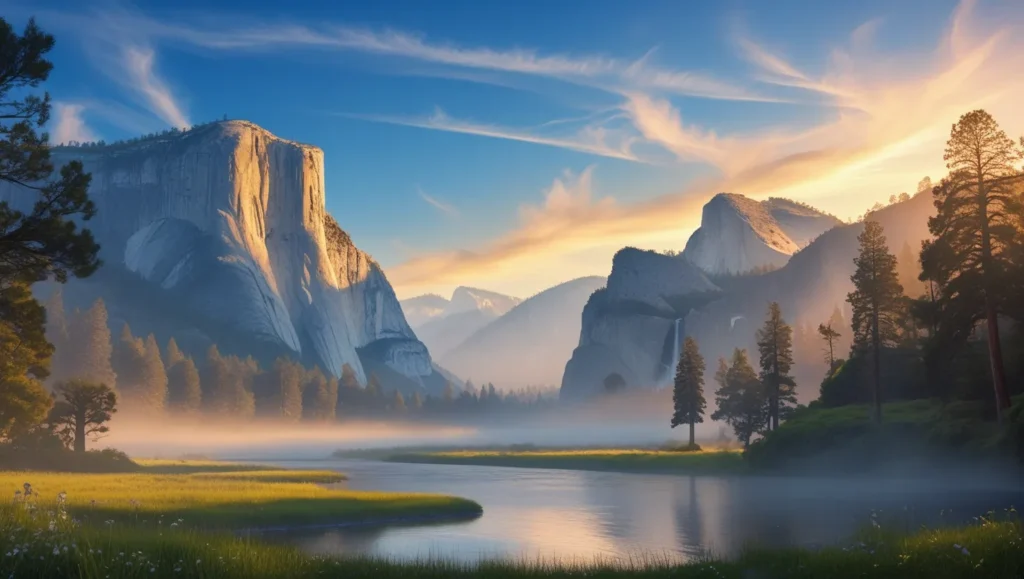
On the other hand, camping in Yosemite provides a more immersive outdoor experience. If you love nature and want to wake up to the sounds of birds and the sight of towering trees, then camping is ideal. The park offers numerous campsites (both tent and RV), many of which are located near popular hiking trails and scenic spots. However, campgrounds can fill up quickly, especially during the summer months, so reservations are essential.For a blend of both worlds, glamping (glamorous camping) options are available within the park, providing a unique experience with some added comforts like comfy beds and electricity.
Conclusion
Yosemite National Park is nothing short of magical. From its towering granite cliffs to the serene beauty of its waterfalls and giant sequoias, Yosemite offers an unforgettable experience that captures the heart of nature lovers, adventurers, and photographers alike. Whether you’re hiking the challenging Half Dome, capturing breathtaking Yosemite National Park photos, or simply soaking in the views from Glacier Point, every moment spent in this incredible place is a reminder of the grandeur of our natural world.
With so much to explore and experience, planning your adventure to Yosemite is essential. Be sure to make your reservations early, as accommodations and activities can fill up quickly, especially during the peak seasons. Whether you choose to stay in one of Yosemite’s luxurious hotels or opt for a more rustic camping experience, the park promises to provide a memorable stay.
Start your journey to Yosemite today and explore its beauty, hike its famous trails, and witness its iconic vistas. Capture the magic of Yosemite with photos that will last a lifetime—your adventure awaits!