
Yellowstone National Park – Everything You Need to Know Before Visiting
Yellowstone National Park is a place of unparalleled natural beauty and wonder, known as the world’s first national park, established in 1872. Spanning over 2.2 million acres across Wyoming, Montana, and Idaho, it offers stunning landscapes, diverse wildlife, and unique geothermal wonders found nowhere else on Earth.
From the famous Old Faithful Geyser to the colorful Grand Prismatic Spring, Yellowstone is a geological marvel that attracts millions of visitors each year.
What makes Yellowstone National Park one of the most visited national parks in the USA is its incredible variety of experiences. It is considered the one of the best National Parks to visit in US. It is home to over 10,000 geothermal features, including hot springs, mud pots, and fumaroles, shaped by the massive supervolcano beneath its surface.
The park’s vast wilderness is teeming with wildlife, from roaming bison herds to elusive gray wolves and mighty grizzly bears. Scenic wonders like the Grand Canyon of the Yellowstone and Yellowstone Lake add to the park’s breathtaking charm, making it a paradise for nature lovers, adventure seekers, and photographers alike.
In this guide, you’ll discover everything you need to plan the perfect trip to Yellowstone. From the best time to visit and must see attractions to hiking trails, camping spots, best photography spots, park entry fees & passes, Rules & Regulations, Cell Service & Wi-Fi Availability and essential travel tips, this guide will ensure you make the most of your journey. Whether you’re a first-time visitor or a returning explorer, Yellowstone promises an unforgettable adventure filled with awe-inspiring landscapes, thrilling wildlife encounters, and moments of pure natural wonder.
History of Yellowstone National Park
The World’s First National Park
Yellowstone National Park holds a special place in history as the world’s first national park and Best National Park to visit in US, officially established on March 1, 1872 by President Ulysses S. Grant. This landmark decision set a precedent for conservation efforts worldwide, proving that natural wonders should be preserved for future generations rather than exploited for private use.
The creation of Yellowstone sparked a movement that led to the establishment of national parks across the globe, making it a symbol of environmental protection and sustainable tourism.
Native American Presence and Early Exploration
Before Yellowstone became a protected area, Native American tribes lived in and traveled through the region for at least 11,000 years. They revered its geysers, hot springs, and abundant wildlife, incorporating the land into their cultures and traditions.
Early European explorers and trappers, including John Colter (a member of the Lewis and Clark expedition), described the region’s boiling waters and steaming landscapes, but their stories were often dismissed as myths. It wasn’t until the Washburn-Langford-Doane Expedition in 1870 that Yellowstone’s wonders were scientifically documented, leading to its official designation as a national park.
Challenges and Conservation Efforts
Throughout its history, Yellowstone has faced many challenges and undergone significant developments. In the early years, there was little protection for its wildlife and natural features, leading to poaching and vandalism.
To combat these threats, the U.S. Army managed the park from 1886 to 1918, before the National Park Service (NPS) was established to oversee its preservation. Over time, policies evolved to emphasize wildlife conservation, fire management, and ecosystem restoration, ensuring the park remains a thriving natural habitat.
Key Events in Yellowstone’s History
One of the most defining events in Yellowstone’s history was the reintroduction of gray wolves in 1995, after they had been hunted to near extinction in the early 20th century. This effort helped restore balance to the ecosystem, demonstrating the importance of conservation and species protection.
Additionally, the Yellowstone fires of 1988 burned nearly one-third of the park, highlighting the role of natural wildfires in forest regeneration and reshaping how fire management is approached in national parks today.
Yellowstone’s Lasting Legacy
From its early days of discovery to its role in modern conservation efforts, Yellowstone’s history is a testament to human dedication to preserving nature’s beauty. It continues to be a living laboratory, where scientists study geothermal activity, wildlife behavior, and climate change impacts, making it one of the most significant protected areas in the world.
Why Visit Yellowstone National Park?
A Land of Unique Geothermal Wonders
Yellowstone is home to some of the most extraordinary geothermal features in the world. The park sits atop a supervolcano, resulting in a landscape filled with hot springs, geysers, mud pots, and fumaroles. The famous Old Faithful Geyser, which erupts with impressive regularity, is a must-see spectacle.
The Grand Prismatic Spring, with its vivid rainbow-colored waters, is another iconic landmark that attracts visitors from around the globe. These geothermal features make Yellowstone a one-of-a-kind destination for those fascinated by Earth’s natural wonders.
A Wildlife Enthusiast’s Paradise
Yellowstone is one of the best places in the USA to experience wildlife in its natural habitat. The park is home to a variety of animals, including the iconic American bison, grizzly and black bears, wolves, elk, and moose.
Lamar Valley is often referred to as “America’s Serengeti” due to its high concentration of large mammals, offering incredible wildlife viewing opportunities. Whether you’re a professional photographer or just a nature lover, Yellowstone’s wildlife encounters are unforgettable.
Breathtaking Scenic Landscapes
From towering waterfalls to pristine lakes and snow-capped mountains, Yellowstone’s landscapes are incredibly diverse. The Grand Canyon of the Yellowstone, with its dramatic cliffs and the roaring Lower Falls, provides stunning panoramic views.
Yellowstone Lake, the largest high-altitude lake in North America, is a peaceful retreat for nature lovers. The park’s vast wilderness offers countless scenic drives and overlooks where visitors can take in the beauty of nature.
Endless Outdoor Adventures
For outdoor enthusiasts, Yellowstone offers a wide range of adventurous activities:
- Hiking – Over 900 miles of trails, from easy walks to challenging backcountry treks.
- Camping – Numerous campgrounds allow visitors to experience the park under a starlit sky.
- Fishing – Yellowstone’s rivers and lakes are home to cutthroat trout and other species.
- Skiing & Snowshoeing – In winter, the park transforms into a winter wonderland for cross-country skiing and snowshoeing adventures.
Whether you’re looking for thrilling outdoor activities or simply want to immerse yourself in nature’s beauty, Yellowstone National Park offers an unparalleled experience for visitors of all interests.
Best Time to Visit Yellowstone National Park
Choosing the best time to visit Yellowstone depends on what you want to experience. Each season offers unique landscapes, wildlife encounters, and activities, but also comes with its own challenges.
Spring (March – May) – Awakening of Wildlife & Fewer Crowds
Spring is a great time for wildlife enthusiasts, as bears emerge from hibernation and baby animals like bison calves and elk fawns make their first appearances. The crowds are relatively small, allowing for a more peaceful visit. However, the weather is highly unpredictable, with a mix of rain, snow, and sunshine in a single day. Some roads and trails may still be closed due to lingering snow.
Pros
✅ Fewer crowds
✅ Great time for wildlife spotting
✅ Waterfalls are at their fullest due to melting snow
Cons
❌ Unpredictable weather
❌ Some roads and facilities remain closed
Summer (June – August) – Peak Season & Warm Weather
Summer is the busiest and warmest season in Yellowstone. All park roads, trails, and visitor centers are open, making it ideal for hiking, camping, and sightseeing. The weather is mild to warm, with daytime temperatures ranging from 70-80°F (21-27°C). However, it is also the most crowded time of the year, with long lines at entrances, full parking lots, and busy hiking trails.
Pros
✅ Ideal weather for outdoor activities
✅ All park areas and facilities are open
✅ Longer daylight hours for exploring
Cons
❌ Heavy crowds, especially at popular spots like Old Faithful and Grand Prismatic Spring
❌ Accommodations fill up months in advance
Fall (September – November) – Stunning Foliage & Active Wildlife
Autumn in Yellowstone is a hidden gem, offering vibrant fall colors, cooler temperatures, and active wildlife preparing for winter. September is an excellent time to see elk during their mating season, while October brings a peaceful atmosphere with fewer visitors. However, by late October, snowfall begins, and some roads start closing for the season.
Pros
✅ Beautiful autumn scenery
✅ Less crowded than summer
✅ Wildlife is highly active
Cons
❌ Some roads and services begin closing in October
❌ Cooler temperatures, especially at night
Winter (December – February) – A Magical Snow-Covered Wonderland
Winter in Yellowstone National Park is a completely different experience, with snow-covered landscapes, steaming geysers, and peaceful solitude. It’s the best time to see wolves in Lamar Valley, and visitors can enjoy snowshoeing, cross-country skiing, and guided snowcoach tours. However, most park roads are closed to regular vehicles, meaning access is limited to snowmobiles and guided tours.
Pros
✅ Fewer visitors, offering a serene experience
✅ Unique winter activities (skiing, snowmobiling, snowcoach tours)
✅ Best season for wolf watching
Cons
❌ Many roads and lodges are closed
❌ Harsh weather conditions, with temperatures dropping below freezing
How to Get to Yellowstone National Park
Yellowstone National Park is located in the northwestern United States, covering parts of Wyoming, Montana, and Idaho. While it is somewhat remote, there are multiple ways to reach the park, including driving, flying, and limited public transportation options.
Major Entrances & Nearby Airports
Yellowstone has five main entrances, each providing access to different parts of the park:
North Entrance (Gardiner, Montana)
Only entrance open year-round; closest to Mammoth Hot Springs.
Nearest Airport: Bozeman Yellowstone International Airport (BZN) – 1.5 hours away
West Entrance (West Yellowstone, Montana)
Most popular entrance, closest to Old Faithful and Grand Prismatic Spring.
Nearest Airport: Yellowstone Airport (WYS) – 5 minutes away (seasonal flights)
South Entrance (Jackson, Wyoming)
Best for combining a trip to Grand Teton National Park.
Nearest Airport: Jackson Hole Airport (JAC) – 1.5 hours away
East Entrance (Cody, Wyoming)
Scenic route with access to Yellowstone Lake.
Nearest Airport: Yellowstone Regional Airport (COD) – 1 hour away
Northeast Entrance (Cooke City, Montana)
Closest to Lamar Valley, best for wildlife viewing.
Nearest Airport: Billings Logan International Airport (BIL) – 3 hours away
Best Driving Routes from Popular Cities
Many visitors drive to Yellowstone, either as part of a road trip or by renting a car after flying in. Here are the best driving routes from major cities:
- From Bozeman, MT (BZN Airport) → North or West Entrance (1.5 – 2 hours)
- From Jackson, WY (JAC Airport) → South Entrance (1.5 hours)
- From Salt Lake City, UT → West Entrance (5 hours)
- From Denver, CO → East Entrance (8.5 hours)
- From Billings, MT → Northeast Entrance (3 hours)
Public Transportation Options
Public transportation to Yellowstone is limited, but there are a few options:
- Shuttle & Tour Buses – Some private tour companies offer shuttle services and guided tours from nearby airports or cities.
- Bus from Salt Lake City – The Salt Lake Express offers seasonal bus services to West Yellowstone.
- Rental Cars – The best way to explore Yellowstone National Park is by car, as there is no in-park public transportation.
Yellowstone National Park Entrances & Gateways
Yellowstone National Park has five main entrances, each offering unique access points to different areas of the park. The best entrance for you depends on your starting location, travel season, and what you want to see inside the park.
1. North Entrance (Gardiner, MT) – Open Year-Round
The North Entrance is the only entrance open all year, making it ideal for winter visits. It leads directly to Mammoth Hot Springs, one of Yellowstone’s most famous geothermal areas.
- Best For: Year-round access, Mammoth Hot Springs, quick entry from Montana
- Nearby Town: Gardiner, Montana
- Closest Airport: Bozeman Yellowstone International Airport (BZN) – 1.5 hours away
2. West Entrance (West Yellowstone, MT) – Closest to Geysers
The West Entrance is the busiest and most popular entrance, especially in summer. It provides the fastest access to Old Faithful, Grand Prismatic Spring, and other famous geysers.
- Best For: Quickest route to Yellowstone’s geysers
- Nearby Town: West Yellowstone, Montana
- Closest Airport: Yellowstone Airport (WYS) – 5 minutes away (seasonal flights)
- Alternative Airport: Bozeman Yellowstone International Airport (BZN) – 2 hours away
3. South Entrance (Jackson, WY) – Connects to Grand Teton NP
The South Entrance is perfect for travelers who want to explore both Yellowstone and Grand Teton National Park. The scenic drive between the parks is breathtaking, with views of the Teton mountain range and Snake River.
- Best For: Combining a trip with Grand Teton National Park
- Nearby Town: Jackson, Wyoming
- Closest Airport: Jackson Hole Airport (JAC) – 1.5 hours away
4. East Entrance (Cody, WY) – Scenic Route
The East Entrance offers one of the most scenic drives into Yellowstone, following the Shoshone River through rugged mountain landscapes. It is a great choice for travelers coming from Wyoming or Colorado.
- Best For: Scenic drives, access to Yellowstone Lake
- Nearby Town: Cody, Wyoming
- Closest Airport: Yellowstone Regional Airport (COD) – 1 hour away
5. Northeast Entrance (Cooke City, MT) – Best for Wildlife Viewing
The Northeast Entrance is the best choice for wildlife lovers, as it provides direct access to Lamar Valley, known as the Serengeti of North America due to its large populations of bison, wolves, elk, and grizzly bears.
- Best For: Wildlife viewing, Lamar Valley access
- Nearby Town: Cooke City, Montana
- Closest Airport: Billings Logan International Airport (BIL) – 3 hours away
Choosing the Best Entrance
- For geysers & hot springs: West Entrance
- For wildlife & Lamar Valley: Northeast Entrance
- For a scenic drive: East Entrance
- For year-round access: North Entrance
- For combining with Grand Teton NP: South Entrance
Each entrance has something special to offer, ensuring that no matter where you start, you’ll have an unforgettable Yellowstone experience!
Must-See Attractions in Yellowstone National Park
Yellowstone National Park is filled with geothermal wonders, stunning landscapes, and incredible wildlife. Here’s a breakdown of the must-visit attractions inside the park.
1. Geothermal Wonders
Old Faithful Geyser – The Most Famous Geyser in the World
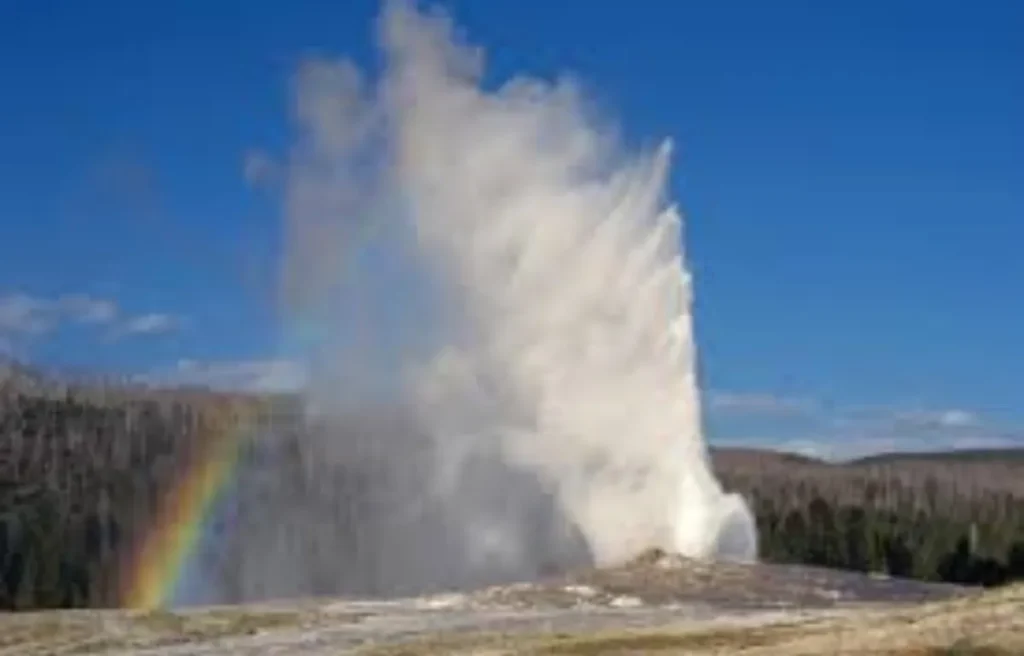
Old Faithful is Yellowstone’s most famous geyser, erupting approximately every 90 minutes. The water shoots up to 180 feet in the air, making it a must-see spectacle for visitors.
Best Time to Visit: Early morning or late evening to avoid crowds.
Nearby Attractions: Upper Geyser Basin, Old Faithful Inn
Grand Prismatic Spring – A Rainbow-Colored Hot Spring
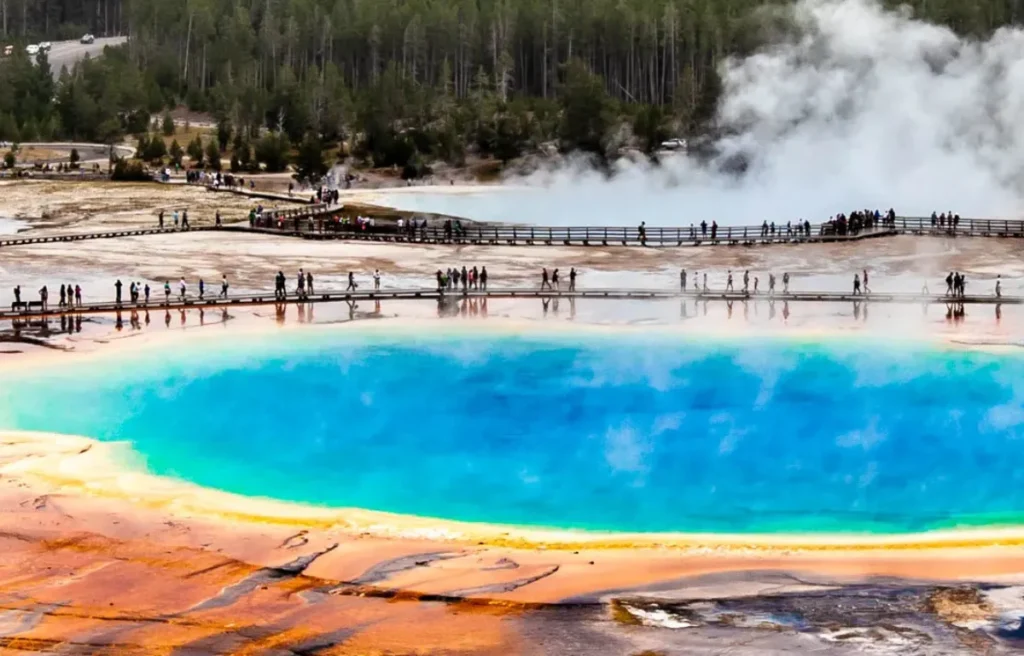
The largest hot spring in the U.S., Grand Prismatic Spring is famous for its stunning blue, green, yellow, and orange colors caused by heat-loving bacteria.
- Best Viewpoint: Hike to the Fairy Falls overlook for an aerial view
Nearby Attractions: Excelsior Geyser, Midway Geyser Basin
Norris Geyser Basin – The Most Active Geothermal Area
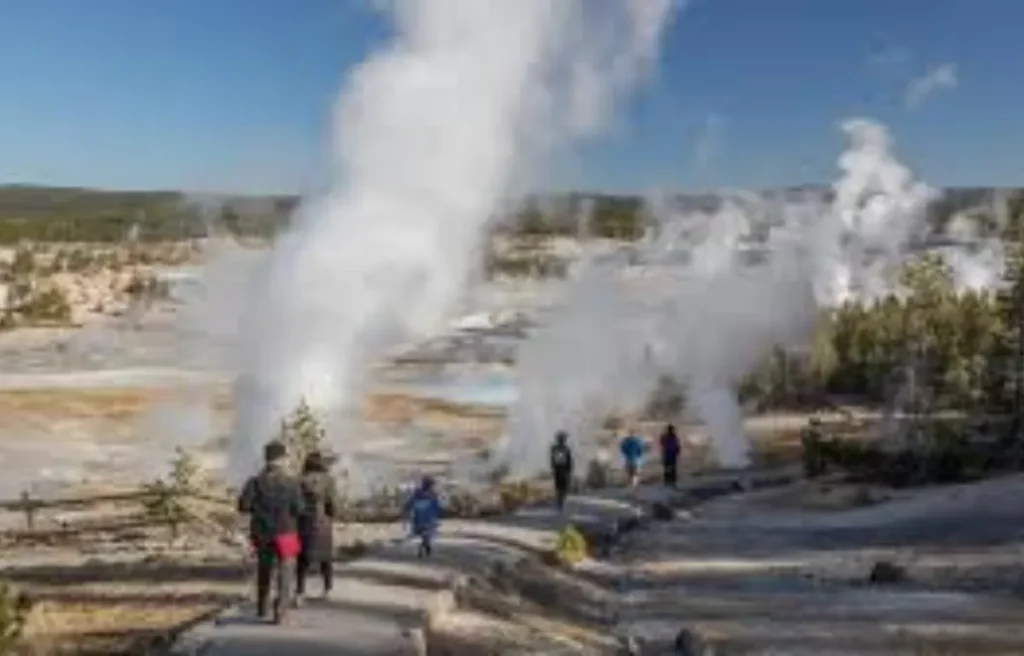
This is the hottest and most dynamic geothermal area in Yellowstone. It features Steamboat Geyser, the world’s tallest active geyser, which can erupt up to 300 feet high.
- Best For: Seeing boiling hot springs and unpredictable geysers
Nearby Attractions: Artists’ Paintpots, Roaring Mountaineyser, Midway Geyser Basin
Mammoth Hot Springs – Unique Limestone Terraces
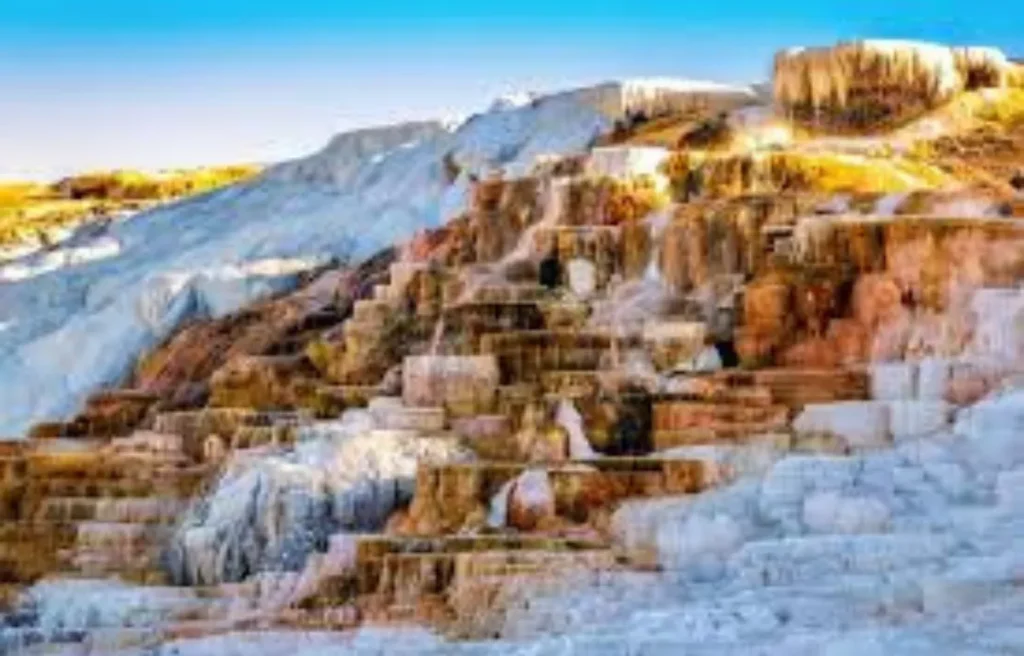
These stunning white and orange travertine terraces look like a frozen waterfall but are formed by hot water dissolving limestone over time.
- Best For: Easy boardwalk trails with breathtaking views
Nearby Attractions: Fort Yellowstone, Boiling River (hot spring you can soak in!)
2. Wildlife & Nature
Lamar Valley – The Best Place to See Wolves & Bison
Often called “America’s Serengeti,” Lamar Valley is the top wildlife viewing spot in Yellowstone. It’s home to bison herds, elk, wolves, grizzly bears, and pronghorn.
Best Time to Visit: Early morning or late evening for wildlife sightings. Nearby Attractions: Slough Creek Trail, Pebble Creek Campground
Hayden Valley – A Prime Spot for Grizzly Bears
Hayden Valley is one of the best places to see grizzly bears, as well as elk, coyotes, and trumpeter swans. It offers beautiful open landscapes perfect for photography.
Best For: Spotting bears and herds of bison. Nearby Attractions: Mud Volcano, Yellowstone River
Yellowstone River & Waterfalls – Stunning Cascades
The Yellowstone River carves through the park, creating incredible waterfalls like:
- Lower Falls – A 308-foot waterfall (twice the height of Niagara Falls!)
- Upper Falls – A powerful 109-foot waterfall, best viewed from Uncle Tom’s Trail
- Best For: Scenic views and short hikes
- Nearby Attractions: Artist Point, Inspiration Point
3. Other Iconic Landmarks
Yellowstone Lake – Largest High-Altitude Lake in North America
This huge alpine lake sits at 7,733 feet above sea level and is known for its crystal-clear waters, fishing, and boating. It freezes over in winter, creating a magical landscape.
- Best For: Kayaking, fishing, and scenic boat tours
Nearby Attractions: West Thumb Geyser Basin
Mount Washburn – The Best Hiking Trail for Panoramic Views
A 6.8-mile round-trip hike takes you to the summit of Mount Washburn, offering 360-degree views of Yellowstone, including the Grand Canyon of Yellowstone and distant geysers.
- Best For: Hikers looking for a moderate challenge with rewarding views
Nearby Attractions: Dunraven Pass
Grand Canyon of Yellowstone – A Breathtaking Canyon with Waterfalls
One of the most stunning natural wonders in the park, this canyon is known for its colorful rock formations and massive waterfalls.
- Best Viewpoints:
- Artist Point – Iconic view of Lower Falls
- Inspiration Point – Overlooks the canyon’s depths
- Lookout Point – Best spot for waterfall photography
- Artist Point – Iconic view of Lower Falls
- Nearby Attractions: Uncle Tom’s Trail, Brink of the Lower Falls
Activities in Yellowstone National Park
Yellowstone offers a wide range of outdoor activities, from hiking and camping to wildlife watching and winter sports. Whether you’re an adventure seeker or a nature lover, there’s something for everyone.
A. Hiking & Backpacking
Yellowstone has over 900 miles of trails, catering to all skill levels. Here are some top recommendations:
- Beginner-Friendly Trails:
- Mystic Falls Trail (2.5 miles) – Easy hike with a scenic waterfall
- Lone Star Geyser Trail (4.8 miles) – Flat trail leading to a geyser eruption
- Yellowstone Lake Overlook (1.5 miles) – Short hike with beautiful lake views
- Challenging Trails for Experienced Hikers:
- Mount Washburn Trail (6.8 miles) – Stunning panoramic views from the summit
- Avalanche Peak Trail (4.5 miles) – Steep climb but rewarding vistas
- Specimen Ridge Trail (17 miles) – Remote hike with diverse landscapes and wildlife
Essential Tips for Hiking Safely in Yellowstone
- Stay on marked trails – Geothermal areas can be dangerous
- Carry bear spray – Bears are common, and safety is a priority
- Pack plenty of water & snacks – Many trails lack water sources
- Check weather conditions – Sudden storms and temperature drops are common
B. Camping
Yellowstone offers both front-country and backcountry camping. Some popular campgrounds include:
- Madison Campground – Near geyser basins, great for RVs
- Canyon Campground – Close to the Grand Canyon of Yellowstone
- Grant Village Campground – Perfect for those visiting Yellowstone Lake
- Slough Creek Campground – Best for wildlife viewing in Lamar Valley
C. Wildlife Watching
Where to Find Bison, Wolves, Elk & Bears
- Lamar Valley – Best place for spotting wolves, bison, and grizzlies
- Hayden Valley – Great for seeing bison herds, elk, and bald eagles
- Mammoth Hot Springs – Home to elk and pronghorn
- Tower-Roosevelt Area – Frequent black bear and moose sightings
Safety Tips for Wildlife Encounters
- Stay at least 100 yards away from bears and wolves
- Keep a 25-yard distance from bison, elk, and other animals
- Do not feed wildlife – It’s dangerous and illegal
- Use binoculars or zoom lenses for safe viewing
D. Fishing & Boating
Best Fishing Spots in Yellowstone
- Yellowstone River – Great for fly fishing and cutthroat trout
- Madison River – Popular for rainbow and brown trout
- Lamar River – Remote fishing experience with breathtaking views
- Slough Creek – One of the best backcountry fishing spots
Rules & Permits for Fishing
- A Yellowstone fishing permit is required (no state license needed)
- Catch-and-release required for native cutthroat trout
- Fishing season runs from Memorial Day to October
E. Winter Activities
Snowmobiling & Snowcoach Tours
Winter transforms Yellowstone into a snowy wonderland, with snowmobiles and snowcoaches as the only ways to explore.
- Old Faithful Snowcoach Tours – Heated snowcoaches take visitors through the park
- Guided Snowmobile Tours – Ride through snowy landscapes with an expert guide
Cross-Country Skiing & Snowshoeing
- Mammoth Hot Springs to Tower Road – Great for beginner skiers
- Old Faithful Area Trails – Scenic ski routes with geothermal views
- Yellowstone Lake Trails – Snowshoe along the frozen shoreline
Important Travel Information
Before you visit Yellowstone, it’s essential to understand the park fees, regulations, and safety guidelines to ensure a smooth and enjoyable trip. Below is everything you need to know.
Park Entry Fees & Passes
Yellowstone National Park requires an entrance fee, which varies based on your mode of transportation:
- Private Vehicle – $35 (valid for 7 days)
- Motorcycle/Snowmobile – $30 (valid for 7 days)
- Individual (On Foot, Bicycle, Ski) – $20 per person (valid for 7 days)
- Annual Yellowstone Pass – $70 (Unlimited entry for a year)
- America the Beautiful Pass – $80 (Covers all U.S. national parks for a year)
Rules & Regulations
To protect Yellowstone’s wildlife and natural beauty, the National Park Service (NPS) has strict regulations in place.
Wildlife Safety Rules
- Keep a safe distance: Stay at least 100 yards away from bears and wolves
- Never feed wildlife – It’s illegal and dangerous
- Store food properly – Use bear-proof containers in campgrounds
- Carry bear spray – It’s a must-have for hiking in Yellowstone
- Drones are strictly prohibited in Yellowstone to protect wildlife and prevent disturbances to visitors.
- Stay on marked trails – Avoid damaging delicate geothermal areas
- Dispose of waste properly – Use park-approved trash bins
- Respect historical sites – Do not touch or remove natural objects
Cell Service & Wi-Fi Availability
Cell service in Yellowstone National Park is limited due to its remote location. Here’s what you should expect:
Good Reception Areas:
- Mammoth Hot Springs
- Old Faithful Village
- Grant Village
- Canyon Village
Weak or No Service:
- Lamar Valley
- Hayden Valley
- Many hiking trails and backcountry areas
Wi-Fi Access
- Free public Wi-Fi is available at Albright Visitor Center (Mammoth Hot Springs).
- Some lodges and hotels offer paid Wi-Fi, but speeds may be slow.
Pro Travel Tips for Visiting Yellowstone National Park
Planning a trip to Yellowstone National Park? These expert tips will help you avoid crowds, capture stunning photos, and pack smart for an unforgettable adventure.
How to Avoid Crowds & Traffic?
Yellowstone attracts millions of visitors every year, especially in summer. Here’s how you can enjoy the park without the hassle of heavy crowds and traffic:
✅ Visit during off-peak seasons – Spring (April-May) and Fall (September-October) have fewer visitors and great wildlife sightings.
✅ Arrive early or stay late – Most crowds gather between 10 AM – 4 PM. Plan to explore before sunrise or after sunset.
✅ Use less busy entrances – Instead of the popular West Entrance, try entering from the Northeast (Cooke City) or East (Cody, WY) for a more scenic, peaceful drive.
✅ Explore lesser-known spots – While Old Faithful and Grand Prismatic Spring are must-sees, also check out places like Bechler Region, Blacktail Plateau Drive, and Shoshone Lake for a quieter experience.
✅ Stay inside the park – Booking a lodge or campsite within Yellowstone reduces driving time and gives you an early start before day-trippers arrive.
Best Photography Spots & Times for Great Shots
Yellowstone is a photographer’s paradise! To get the best shots, follow these tips:
Best Photography Spots:
📍 Old Faithful – Best captured with steam rising at sunrise or sunset.
📍 Grand Prismatic Spring – Midday is best to see the full vibrant colors.
📍 Lamar Valley & Hayden Valley – Golden hour (sunrise or sunset) is perfect for wildlife photography.
📍 Grand Canyon of Yellowstone – Morning light enhances the waterfall’s beauty.
📍 Yellowstone Lake – Stunning reflections at sunrise and sunset.
📍 Mammoth Hot Springs – The terraces look magical during early morning fog.
Essential Packing List for Yellowstone National Park Trips
Yellowstone’s weather is unpredictable, and conditions can change rapidly. Here’s a list of must-haves:
Clothing & Footwear
✔ Layered clothing – Mornings and evenings can be chilly, even in summer.
✔ Rain jacket – Sudden rain showers are common.
✔ Hiking boots – Waterproof, sturdy footwear is a must for trails.
✔ Gloves & hat – Essential for winter visits.
Gear & Equipment
✔ Binoculars – Perfect for spotting distant wildlife.
✔ Camera & extra batteries – No one wants a dead battery at Old Faithful!
✔ Reusable water bottle – Stay hydrated while exploring.
✔ Backpack – Carry essentials without feeling overloaded.
✔ Bear spray – A must for safety while hiking.
Other Essentials
✔ Snacks & food – Limited options inside the park.
✔ Sunscreen & sunglasses – High-altitude sun exposure can be intense.
✔ Bug spray – Keeps mosquitoes away during summer.
✔ First aid kit – Always good to have for minor injuries.
✔ Park map (offline version) – Cell service is unreliable in most areas.
Yellowstone National Park is truly a one-of-a-kind destination, offering a blend of breathtaking landscapes, geothermal wonders, and abundant wildlife. As the first national park in the world, it has set the standard for conservation and continues to inspire millions of visitors each year.
Whether you’re marveling at the eruption of Old Faithful, hiking through scenic trails, or spotting bison in Lamar Valley, every moment spent in Yellowstone is an unforgettable experience.
Planning a trip to Yellowstone is not just about exploring a park; it’s about stepping into a world where nature thrives in its purest form. Every season brings something special, from the vibrant colors of fall to the snow-covered beauty of winter. No matter when you visit, the park’s raw beauty and incredible biodiversity will leave a lasting impression.
Now is the perfect time to start planning your adventure. Book your trip, pack your essentials, and prepare for an experience that will connect you with nature in the most profound way. Share your journey with others, spread awareness about responsible travel, and help preserve this natural wonder for future generations. Yellowstone is waiting—go explore its magic!