

Glacier National Park – Complete Travel Guide
Hidden in the wild mountains of northern Montana, Glacier National Park is known as one of the most beautiful places in the United States. Called the “Crown of the Continent,” this amazing park is full of tall mountains, deep valleys, clear blue lakes, and the glaciers that gave it its name.
The park covers over a million acres and is full of natural beauty and untouched land. Whether you love hiking, want to drive the famous Going-to-the-Sun Road, or hope to see bears, mountain goats, or moose, Glacier National Park has something for everyone.
This complete guide will help you learn everything you need to know—like the best time to go, how to get there, what to see and do, and where to take great photos—so you can enjoy your trip to this incredible place.
II. Location and Overview
Glacier National Park is located in the northwestern corner of Montana, right along the border between the United States and Canada. It’s part of the Rocky Mountains and is known for its tall peaks, forests, lakes, and beautiful views.
The closest towns to the park are West Glacier, St. Mary, Columbia Falls, and Whitefish. If you’re coming from a bigger city, Kalispell is about 30 miles away and has the nearest airport. You can also drive from Missoula, which is around 140 miles south of the park.
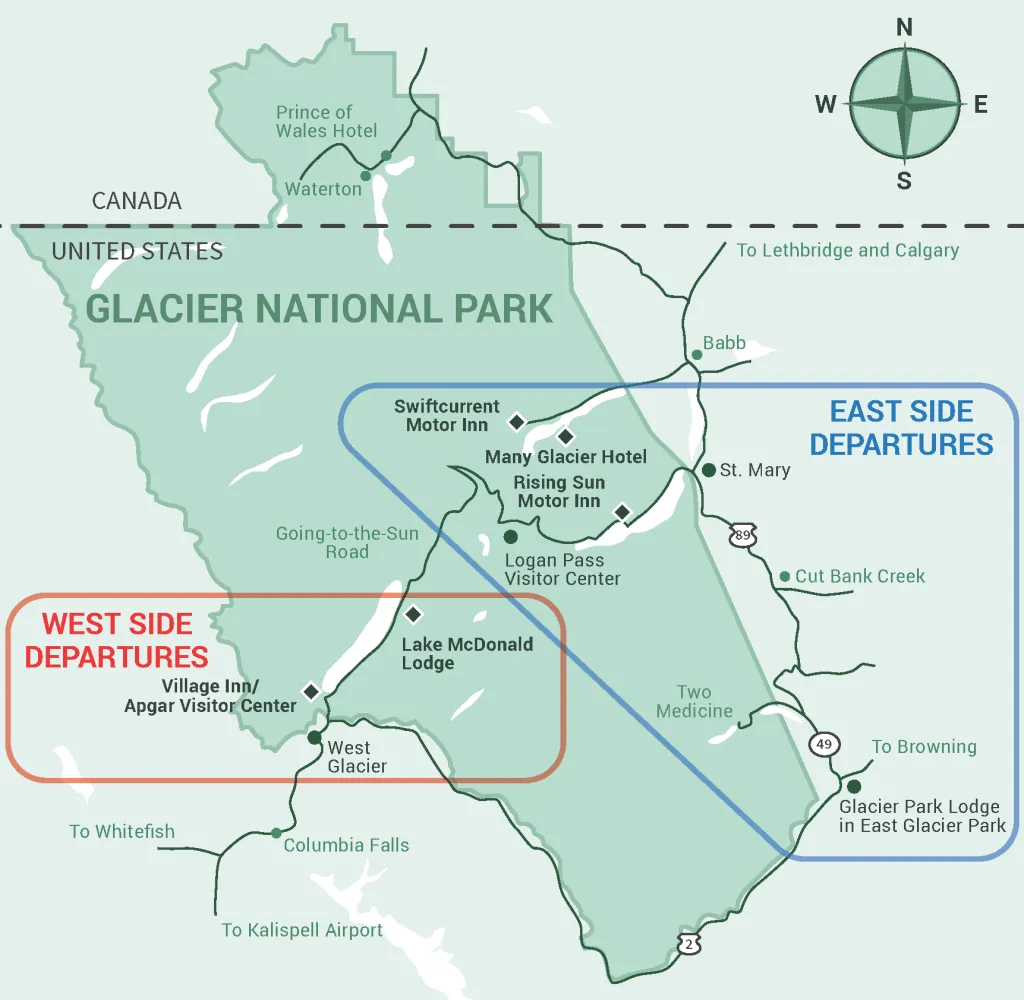
Glacier National Park was officially created in 1910, making it one of the oldest national parks in the U.S. It was set up to protect the area’s natural beauty and wildlife. The park is also very special because it connects with Waterton Lakes National Park in Canada, forming the Waterton-Glacier International Peace Park—the first of its kind in the world. This shows how the park is not only important for nature but also for friendship between countries.
III. Why Glacier National Park is Famous
Glacier National Park is famous for many reasons that make it a must-visit place for nature lovers and adventure seekers.
Unique Glaciers and Alpine Scenery
The park is home to beautiful glaciers, which are large sheets of ice that slowly move and shape the land. These glaciers sit among snow-capped mountains, green meadows, and high alpine valleys. The views here are like something from a dream.
Wildlife and Biodiversity
The park has a wide variety of wild animals and plants. You might see grizzly bears, black bears, moose, mountain goats, and even lynx if you’re lucky. Over 270 species of birds and many types of trees and flowers also live here, making it one of the richest parks for wildlife.
Iconic Hikes and Drives
Glacier has some of the most famous hiking trails in the U.S. Trails like Grinnell Glacier, Hidden Lake, and Avalanche Lake offer amazing views and chances to see wildlife up close. Even if you don’t hike, there are scenic drives that let you enjoy the beauty from your car.
Going-to-the-Sun Road
This is the park’s most famous road—and for good reason. The Going-to-the-Sun Road winds through mountains, crosses the Continental Divide at Logan Pass, and offers stunning views at every turn. It’s a drive you’ll never forget.
IV. Best Time to Visit
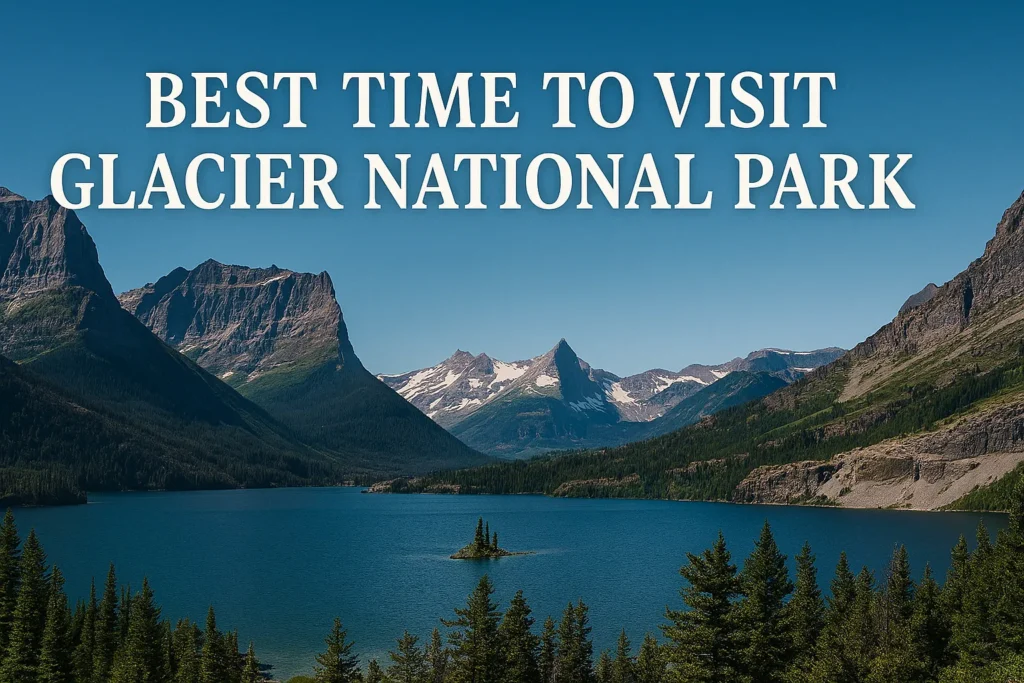
Choosing the right time to visit Glacier National Park can make a big difference in your trip. The park is open all year, but each season brings different weather, views, and experiences.
Month-by-Month Weather Breakdown
- May – June: Snow is melting, wildflowers start blooming, and animals become more active. Some roads and trails may still be closed due to snow.
- July – August: Warmest months with sunny weather and all roads (including Going-to-the-Sun Road) usually open. Great time for hiking, boating, and wildlife viewing.
- September – October: Cooler temperatures, fewer crowds, and beautiful fall colors. Snow may start to fall at higher elevations.
- November – April: Cold and snowy. Most of the park is covered in snow, and many areas are closed. Great for winter lovers who enjoy cross-country skiing or snowshoeing.
Peak vs Off-Season
- Peak Season: July and August. This is when most people visit, so the park is busier, and lodging fills up quickly.
Off-Season: May–June and September–October. Fewer visitors, but still beautiful. Just check which roads and services are open before you go.
Tips for Avoiding Crowds
To avoid large crowds at popular tourist spots, try visiting early in the morning or late in the afternoon. This way, you can enjoy the sights without the rush of people. Another great tip is to explore less-visited areas like Two Medicine or Polebridge. These places offer a more peaceful experience and still showcase the beauty of the location.
If you want to further avoid crowds, plan your trip during weekdays instead of weekends. Many tourists tend to visit during weekends, so weekdays are often quieter. Also, June and September are ideal months to visit, as the weather is still great but there are fewer visitors compared to peak summer months.
V. How to Get There
Getting to Glacier National Park is easy once you know your options. Whether you’re flying or driving, there are several ways to reach the park.
Nearest Airports
The closest airport to the park is Glacier Park International Airport (FCA) in Kalispell, Montana—about 30 miles from the West Glacier entrance. This airport has flights from big cities like Seattle, Denver, Salt Lake City, and Minneapolis.
Other nearby airports include:
- Missoula International Airport (MSO) – About 140 miles south of the park.
- Great Falls International Airport (GTF) – About 120 miles east of the park.
- Calgary International Airport (YYC) – In Canada, about 200 miles north. A good option if you’re visiting Waterton Lakes National Park too.
Driving Routes from Major Cities
If you’re driving:
- From Kalispell: Take U.S. Highway 2 to West Glacier (about 40 minutes).
- From Missoula: Drive north on Highway 93 to Kalispell, then east on Highway 2 (about 3 hours).
- From Great Falls: Take Highway 89 north to St. Mary entrance (about 3 hours).
- From Seattle: It’s a scenic 9–10 hour drive east.
- From Calgary: Drive south to the Canadian border, then continue to Waterton and across to Glacier (about 4–5 hours).
Shuttle Services and Park Transportation
In summer, the park offers a free shuttle service along Going-to-the-Sun Road. It stops at major trailheads and visitor centers, which helps avoid traffic and parking problems. There are also private shuttles and tour buses from nearby towns like Whitefish, Kalispell, and East Glacier. Some hotels and lodges offer their own shuttle services too.
VI. Park Entrances & Passes
Glacier National Park has several entrances, each offering easy access to different areas of the park. Here’s what you need to know:
Main Entrances
- West Glacier Entrance: The most popular entrance, located near West Glacier Village. It’s the easiest way to access Going-to-the-Sun Road.
- St. Mary Entrance: Located on the east side of the park, it gives access to Many Glacier and Babb areas. It’s also the starting point for the famous Going-to-the-Sun Road heading west.
- Polebridge Entrance: A more remote entrance on the north side of the park, perfect for those looking for fewer crowds and a quieter experience.
Entrance Fees and Ticket Types
The park charges an entrance fee based on the type of vehicle:
- Vehicle: $35 (valid for 7 days)
- Motorcycle: $30 (valid for 7 days)
- Individual (on foot or bike): $20 (valid for 7 days)
You can also buy an America the Beautiful National Park Pass for $80, which covers entrance fees to all U.S. national parks for a year.
Recreation.gov Vehicle Reservation System
During the busy summer months (June 15–September 15), vehicle reservations are required for entry to Going-to-the-Sun Road and some of the park’s popular spots. You can reserve a time slot through Recreation.gov, which helps reduce congestion and ensures you have a smooth visit. Be sure to check availability early, as reservations can fill up fast.
VII. Things To Do in Glacier National Park
There’s no shortage of activities in Glacier National Park, whether you want to drive scenic roads, hike amazing trails, camp under the stars, or spot wildlife. Here’s a breakdown of the best things to do.
A. Scenic Drives
- Going-to-the-Sun Road
This is the park’s most famous road, offering stunning views of mountains, glaciers, and valleys. It connects West Glacier to St. Mary and takes you all the way over the Continental Divide at Logan Pass. It’s a must-do for any visitor. - Many Glacier Road
This drive takes you into the heart of the park’s Many Glacier area. It offers incredible views of glaciers, lakes, and mountains, with plenty of chances for wildlife spotting along the way.
B. Hiking Trails
- Grinnell Glacier Trail
A challenging yet popular hike, this trail takes you up to Grinnell Glacier and offers dramatic views of glaciers and waterfalls along the way. - Hidden Lake Overlook
An easier hike that leads to a scenic overlook of Hidden Lake. It’s a great spot for taking pictures and seeing wildlife like mountain goats and bighorn sheep. - Avalanche Lake Trail
A beautiful trail that takes you to Avalanche Lake, surrounded by towering cliffs and waterfalls. It’s a moderate hike and one of the park’s best-loved routes.
C. Camping & Backpacking
- Frontcountry vs Backcountry Camping
- Frontcountry Camping: These are campsites near roads and amenities, such as Lake McDonald Campground. They require reservations and are great for families or those who want easier access to facilities.
- Backcountry Camping: For more adventurous visitors, there are campsites deep in the park, accessible only by hiking. These spots offer a quieter experience in the wilderness.
- Frontcountry Camping: These are campsites near roads and amenities, such as Lake McDonald Campground. They require reservations and are great for families or those who want easier access to facilities.
- Reservation Tips
Campgrounds in Glacier National Park fill up quickly, especially in summer. Book well in advance through Recreation.gov to secure your spot. If you’re planning to camp in the backcountry, you’ll also need to get a backcountry permit.
D. Wildlife Viewing
Glacier is home to a variety of animals, and there are plenty of spots where you can see them in their natural habitat. Here are some of the best places:
- Many Glacier: Great for spotting grizzly bears, moose, and mountain goats.
- Logan Pass: Often home to bighorn sheep and mountain goats.
- Two Medicine: Known for sightings of black bears and deer.
E. Photography Spots
For the best photos of Glacier’s beauty, head to these iconic spots:
- Lake McDonald: This lake’s calm waters perfectly reflect the surrounding mountains and forests. It’s especially stunning at sunrise and sunset.
- Logan Pass: A great spot for capturing wildflowers, mountain views, and wildlife like goats.
- St. Mary Lake: One of the park’s most scenic lakes, surrounded by rugged peaks. It’s perfect for sunrise photos.
VIII. Lodging & Accommodations
Whether you want to stay inside the park or in nearby towns, there are plenty of lodging options to suit every budget and preference.
A. Inside the Park
- Many Glacier Hotel
A historic and charming hotel located in the Many Glacier area. It offers breathtaking views of Mount Gould and Grinnell Point. It’s one of the most scenic places to stay in the park, with easy access to hiking and wildlife viewing. - Lake McDonald Lodge
Situated near Lake McDonald, this cozy lodge offers a classic park experience. The lodge has a beautiful wooden interior and is perfect for those looking to stay close to the lake and Going-to-the-Sun Road. - Rising Sun Motor Inn
Located near St. Mary Lake, this motor inn offers simple and comfortable rooms. It’s a great budget-friendly option if you want to be close to the eastern entrance of the park and the Going-to-the-Sun Road.
B. Outside the Park
- Whitefish
About 30 miles from West Glacier, Whitefish is a popular resort town known for its charming downtown, shops, restaurants, and outdoor activities. It offers many lodging options, including hotels, vacation rentals, and cozy bed-and-breakfasts. - Kalispell
Located 30 miles from the West Glacier entrance, Kalispell is the largest town near the park. It has a wide range of accommodations, from budget motels to upscale hotels, and is a good base for visitors flying in via Glacier Park International Airport. - Columbia Falls
Situated about 15 miles from West Glacier, Columbia Falls is a quieter town with a variety of places to stay. You’ll find charming inns, motels, and cabins, making it an ideal option for those looking for a peaceful retreat after a day of exploring the park.
Park Maps
GPS and Cell Service Info
- GPS: While GPS devices will work for general navigation, they can be unreliable in some areas of the park, especially in more remote regions. It’s always best to use a combination of maps and GPS.
- Cell Service: Cell phone service is limited in Glacier National Park. You may have service near major entrances, like West Glacier and St. Mary, but most areas, especially along the Going-to-the-Sun Road and in the backcountry, have no signal. Plan accordingly and download maps or routes ahead of time.
Visitor Centers
Visitor centers are great places to get information, maps, and recommendations:
- Apgar Visitor Center: Located near Lake McDonald, it’s the park’s main visitor center and a great place to start your trip.
- Logan Pass Visitor Center: Located at Logan Pass, this center provides information about Going-to-the-Sun Road, hiking trails, and the park’s wildlife.
- St. Mary Visitor Center: Situated at the eastern entrance, it’s perfect for getting information about the Many Glacier area and other eastern trails.
X. Glacier National Park Photos
Whether you’re an amateur photographer or just want to capture beautiful memories, Glacier National Park offers some of the most stunning photo opportunities in the U.S.
Best Photo Ops and Instagram Spots
- Lake McDonald
The still waters of Lake McDonald perfectly reflect the surrounding mountains and trees, making it a favorite photo spot. The best times to capture it are at sunrise or sunset when the lighting is soft and golden. - Logan Pass
The Logan Pass area offers sweeping views of mountain peaks, wildflowers, and snowfields (in early summer). It’s also an excellent spot for photographing mountain goats and bighorn sheep. - St. Mary Lake
Known for its crystal-clear water and stunning mountain backdrop, St. Mary Lake is one of the most photographed spots in the park. You can capture incredible shots at sunrise or sunset when the light hits the water just right. - Grinnell Glacier
If you’re up for a hike, the Grinnell Glacier trail leads you to one of the park’s most iconic glaciers. The surrounding waterfalls and glacial lakes make for breathtaking photos. - Many Glacier Area
This area is filled with incredible photo opportunities, including swiftly flowing rivers, glacial-fed lakes, and rugged mountain views. It’s a photographer’s dream, especially if you’re hoping to capture wildlife.
Seasonal Differences in Scenery
The park’s scenery changes dramatically with the seasons, offering different photo opportunities throughout the year:
- Summer (June – August): This is the most popular time to visit, with wildflowers blooming and the Going-to-the-Sun Road fully open. The landscapes are lush and green, and the lakes are clear and vibrant.
- Fall (September – October): Fall brings beautiful autumn colors, especially in the lower elevations. The aspen trees turn golden, creating a striking contrast against the mountains.
- Winter (November – March): Snow-covered peaks and quiet, untouched landscapes offer a serene, peaceful vibe. While some areas are closed due to snow, the winter wonderland scenes are worth capturing.
- Spring (April – May): As snow melts, the park comes to life with rushing waterfalls and fresh green landscapes. You can catch glimpses of early blooms and see the park’s wildlife emerging from winter.
XI. Costs & Budget Tips
Visiting Glacier National Park can be an unforgettable experience, but it’s important to plan your budget ahead of time. Here are some cost-related details and tips for saving money during your visit:
Entry Fees
- Vehicle Entrance Fee: The entry fee for a vehicle is typically around $35 for a 7-day pass. This allows access to the park and includes all passengers in the vehicle.
- Individual Entrance Fee: If you’re visiting on foot or by bike, the fee is about $20 per person for a 7-day pass.
- Annual Pass: If you plan to visit multiple national parks in the year, consider purchasing the America the Beautiful National Park Pass for $80. This pass provides unlimited access to all national parks across the country for one year.
Lodging and Food Expenses
- Inside the Park: Lodging inside the park, like the Lake McDonald Lodge or Many Glacier Hotel, can be on the pricier side. Rates range from $150 – $400 per night, depending on the season and the type of accommodation.
- Outside the Park: Staying in nearby towns like Whitefish, Kalispell, or Columbia Falls may be more budget-friendly, with options starting around $100 per night for motels or Airbnb rentals.
- Food: Dining inside the park can also be expensive. A meal at a park restaurant may cost $10 – $20 per person. For cheaper meals, you can visit nearby towns or bring your own snacks and meals, especially if you’re camping.
Saving Money with Annual Passes or Camping
- Annual Pass: The America the Beautiful National Park Pass is a great way to save money if you plan to visit multiple national parks during the year. It covers all entry fees for national parks across the country for $80.
- Camping: Camping is a much more affordable way to experience the park. Fees for frontcountry camping (campsites with amenities) range from $20 – $30 per night. If you prefer a more rugged experience, backcountry camping (requires a permit) is an even cheaper option, often costing less than $10 per night.
- Bring Your Own Food: If you’re staying in a campsite, cooking your own meals can save you a lot of money. The park has several grocery stores where you can purchase supplies, or you can stop at nearby towns like Whitefish for more options.
XII. Important Tips for Visitors
When visiting Glacier National Park, it’s essential to be well-prepared for the unique challenges the park offers. Weather preparation is crucial as conditions can change rapidly. Even in the summer months, temperatures can drop, especially in higher elevations. It’s advisable to dress in layers, bringing waterproof gear and extra warm clothing, as well as sunscreen and sunglasses to protect against strong UV rays at high altitudes.
Wildlife safety is another important consideration. The park is home to large animals like grizzly bears, moose, and mountain goats. Always maintain a safe distance from wildlife, and never feed animals. Carry bear spray when hiking in bear country, and make noise while hiking to avoid surprising animals. Following these safety tips helps protect both you and the animals.
Following the Leave No Trace principles ensures that the park stays pristine for future generations. This means cleaning up after yourself, disposing of waste properly, and staying on marked trails to prevent damage to sensitive ecosystems. Remember, everything in the park, from rocks to plants, is protected.
Lastly, what to pack depends on the activities you plan to do. Comfortable hiking boots are a must if you’re hitting the trails, along with a backpack to carry essentials like water, snacks, and a first-aid kit.
A camera or phone with extra batteries will help you capture the park’s beauty, and don’t forget a map or GPS for navigation. For those camping, bring a tent, sleeping bag, and cooking equipment, and always check weather forecasts to avoid unpleasant surprises.
XIII. Nearby Attractions
While Glacier National Park itself offers plenty of adventures, there are several nearby attractions worth visiting as well.
- Waterton Lakes National Park (Canada)
Just across the border in Canada, Waterton Lakes National Park is part of the same ecosystem as Glacier, making it a great complementary destination. Known for its stunning lakes, waterfalls, and mountain views, Waterton is less crowded than Glacier, providing a peaceful atmosphere. It’s also home to a unique variety of wildlife, including black bears and elk. - Flathead Lake
Located to the south of Glacier National Park, Flathead Lake is one of the largest freshwater lakes in the U.S. It offers activities such as boating, fishing, and swimming, as well as several beaches for relaxing. The surrounding mountain views make it a fantastic place for a day trip or a peaceful afternoon.
Whitefish Mountain Resort
For outdoor enthusiasts, Whitefish Mountain Resort is an ideal year-round destination. Known for skiing and snowboarding in the winter, it also offers hiking, mountain biking, and zip-lining during the summer months. The resort is located near Whitefish, a charming town known for its shops and restaurants, making it a great place to unwind after a day of outdoor adventure.


Very good
Awesome
Awesome
Very good
Awesome
Very good
Very good
Awesome