

Best National Parks to Visit in Winter
The best national parks to visit in winter offer a magical experience, whether you prefer snow-covered landscapes or mild winter escapes. Whether you’re looking for a family-friendly winter adventure or a peaceful retreat into nature, national parks provide breath taking scenery and unique seasonal activities. From frozen waterfalls and snowshoeing to warm desert hikes and wildlife spotting, there’s a perfect destination for every traveler.
One of the biggest benefits of visiting national parks in winter is the fewer crowds—you can enjoy scenic trails, wildlife sightings, and stunning viewpoints without the usual summer rush. Additionally, winter brings exclusive seasonal activities, such as skiing, snowshoeing, and wildlife tracking in snowy parks or comfortable hiking and camping in warmer regions.
In this guide, we’ll explore the best national parks to visit in December, January, February, and March, covering both snowy wonderlands and warm winter getaways. We will also cover national park entry fee, free days and rules & regulations. Whether you’re planning a trip with family, friends, or solo, this list will help you choose the perfect destination for an unforgettable winter adventure.
Best National Parks to Visit in Winter in US.
Winter is one of the best times to explore national parks in the U.S., offering a mix of snow-covered landscapes, mild-weather escapes, and unique seasonal activities. Whether you prefer desert warmth or snowy adventures, these national parks are perfect winter destinations.
Joshua Tree National Park (California)
✅ Why Visit? Mild daytime temperatures, stunning rock formations, and star-filled night skies.
✅ Winter Activities: Rock climbing, hiking, and camping.
✅ Highlights: Hidden Valley Trail, Cholla Cactus Garden, and Skull Rock.
Death Valley National Park (California & Nevada)
✅ Why Visit? Avoid extreme summer heat and explore the park comfortably.
✅ Winter Activities: Scenic drives, photography, and hiking.
✅ Highlights: Badwater Basin (lowest point in North America), Mesquite Flat Sand Dunes, and Zabriskie Point.
Everglades National Park (Florida)
✅ Why Visit? Cooler temperatures make exploring the wetlands enjoyable.
✅ Winter Activities: Wildlife viewing, airboat tours, and kayaking.
✅ Highlights: Shark Valley, Anhinga Trail, and Flamingo Visitor Center.
Bryce Canyon National Park (Utah)
✅ Why Visit? Snow-covered hoodoos create a surreal winter landscape.
✅ Winter Activities: Snowshoeing, winter hiking, and scenic photography.
✅ Highlights: Sunrise Point, Bryce Amphitheater, and Queen’s Garden Trail.
Zion National Park (Utah)
✅ Why Visit? Fewer crowds and moderate temperatures for hiking.
✅ Winter Activities: Hiking, photography, and scenic drives.
✅ Highlights: Angels Landing, The Narrows, and Emerald Pools.
Arches National Park (Utah)
✅ Why Visit? Fewer visitors and stunning contrast between red rocks and snow.
✅ Winter Activities: Hiking, photography, and scenic drives.
✅ Highlights: Delicate Arch, Landscape Arch, and The Windows.
Big Bend National Park (Texas)
✅ Why Visit? Pleasant winter temperatures in the desert.
✅ Winter Activities: Hiking, stargazing, and river rafting.
✅ Highlights: Santa Elena Canyon, Chisos Mountains, and Rio Grande Village.
Yosemite National Park (California)
✅ Why Visit? Breathtaking winter scenery with snow-covered cliffs and frozen waterfalls.
✅ Winter Activities: Snowshoeing, skiing, and ice skating.
✅ Highlights: Half Dome, Yosemite Falls, and Tunnel View.
Great Smoky Mountains National Park (Tennessee & North Carolina)
✅ Why Visit? Scenic winter views with frozen waterfalls and misty mountains.
✅ Winter Activities: Hiking, wildlife spotting, and scenic drives.
✅ Highlights: Cades Cove, Clingmans Dome, and Roaring Fork Motor Nature Trail.
Yellowstone National Park (Wyoming, Montana, Idaho)
✅ Why Visit? Unique winter scenery with steaming geysers and wildlife.
✅ Winter Activities: Snowmobiling, wildlife viewing, and guided snow coach tours.
✅ Highlights: Old Faithful, Mammoth Hot Springs, and Lamar Valley for wolf spotting.
Saguaro National Park (Arizona)
✅ Why Visit? Enjoy pleasant desert temperatures and blooming cacti.
✅ Winter Activities: Hiking, scenic drives, and wildlife viewing.
✅ Highlights: Cactus Forest Drive, Signal Hill Petroglyphs, and Mica View Loop.
Grand Canyon National Park (Arizona)
✅ Why Visit? Less crowded South Rim with stunning snow-dusted views.
✅ Winter Activities: Hiking, scenic drives, and photography.
✅ Highlights: Mather Point, Bright Angel Trail, and Desert View Watchtower.
Why the best National Parks to Visit in Winter?
Winter transforms national parks into breathtaking landscapes, offering a unique experience that differs from the busy summer months. Whether you’re looking for serene snow-covered scenery or mild temperatures for comfortable hiking, winter is an excellent time to explore the outdoors. Here’s why you should consider visiting national parks in winter:
Fewer Crowds & Peaceful Environment
One of the biggest advantages of visiting national parks in winter is the lack of crowds. Popular parks that are often packed during peak seasons become peaceful retreats in the colder months. You can enjoy quiet trails, uncrowded viewpoints, and a more immersive experience with nature.
Unique Winter Landscapes & Activities
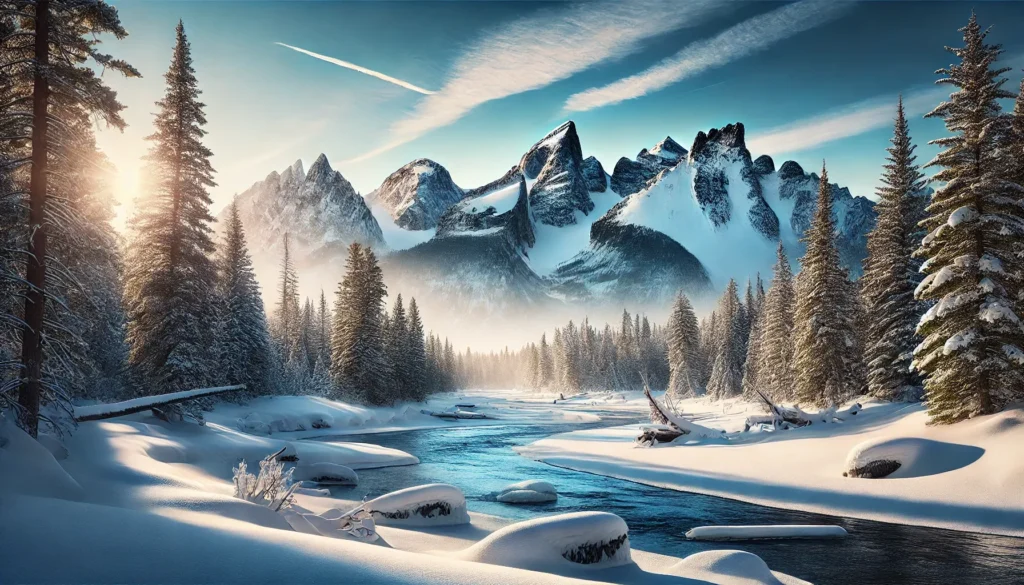
Winter brings dramatic changes to many national parks, creating snowy wonderlands in some areas and pleasantly mild conditions in others. Parks like Yellowstone and Yosemite become winter playgrounds with frozen waterfalls, snow-covered forests, and steaming geysers. Activities such as snowshoeing, cross-country skiing, and ice climbing add a whole new dimension to the adventure.
Budget-Friendly Accommodations & Lower Travel Costs
Winter is considered the off-season for many national parks, meaning cheaper accommodations, lower airfare, and discounted park entry fees in some locations. Hotels, lodges, and rental cabins often offer special winter rates, making it a budget-friendly time to visit.
Wildlife Sightings & Photography Opportunities
Winter provides excellent wildlife viewing opportunities as animals move to lower elevations in search of food. Parks like Yellowstone, Grand Teton, and Rocky Mountain National Park offer chances to see elk, bison, moose, and even wolves against stunning snowy backdrops. The crisp winter air also enhances photography, allowing for clearer, sharper images with vibrant contrast.
By visiting in winter, you can enjoy tranquility, scenic beauty, and exciting seasonal activities while saving money and avoiding crowds. Whether you prefer snowy adventures or warm winter escapes, national parks have something for everyone during the colder months.
Best National Parks to Visit in Winter in the US with Family
Winter is a fantastic time for a family-friendly national park adventure in the US. With fewer crowds, mild weather in some regions, and exciting seasonal activities, winter offers unique experiences for all ages. Some parks provide easy hiking trails, interactive ranger programs, and breathtaking scenery perfect for kids and adults alike.
Best National Parks to Visit in Winter with family
Everglades National Park (Florida)
Why Visit? Warm winter weather and exciting wildlife encounters.
Family-Friendly Activities:
- Airboat tours: A thrilling way to explore the wetlands and spot alligators.
- Wildlife viewing: See manatees, turtles, and a variety of bird species.
Junior Ranger Program: Kids can learn about the park through fun activities.
📍 Best Family-Friendly Spots: Shark Valley, Anhinga Trail, and the Gulf Coast Visitor Center.
Joshua Tree National Park (California)
🌵 Why Visit? Pleasant temperatures and fascinating rock formations to explore.
🎯 Family-Friendly Activities:
- Short hikes: Easy trails like Hidden Valley and Barker Dam are perfect for kids.
- Rock climbing: Plenty of beginner-friendly boulders for children to climb.
Educational programs: Park rangers offer talks about the desert ecosystem.
📍 Best Family-Friendly Spots: Skull Rock, Cholla Cactus Garden, and Joshua Tree Visitor Center.
Bryce Canyon National Park (Utah)
🏔 Why Visit? Stunning snow-covered landscapes and family-friendly trails.
🎯 Family-Friendly Activities:
- Snow activities: Enjoy snowshoeing and sledding in designated areas.
- Scenic viewpoints: Easy-to-reach overlooks like Sunrise Point and Sunset Point.
Ranger-led programs: Learn about the park’s unique hoodoos and geology.
📍 Best Family-Friendly Spots: Inspiration Point, Queen’s Garden Trail, and the Bryce Amphitheater.
Death Valley National Park (California & Nevada)
🌄 Why Visit? Mild temperatures make it the best time for desert exploration.
🎯 Family-Friendly Activities:
Scenic drives: Explore Badwater Basin, Artist’s Palette, and Dante’s View.
Sand dunes for kids: Mesquite Flat Sand Dunes offer a perfect spot for kids to run and play.
Star gazing: One of the best places in the US for incredible night skies.
📍 Best Family-Friendly Spots: Zabriskie Point, Furnace Creek Visitor Center, and Golden Canyon Trail.
Best National Parks to Visit in Winter (January)
January is one of the best months to explore national parks in the US, offering a mix of snowy winter wonderlands and mild desert escapes. Whether you’re looking for peaceful hikes, stunning landscapes, or unique seasonal events, these parks provide unforgettable experiences.
Top National Parks to Visit in January
1. Joshua Tree National Park (California)
🌵 Why Visit? Mild winter weather makes it perfect for hiking and exploring.
🌤 Weather: Temperatures range from 35°F to 60°F (2°C to 16°C).
🚶♂️ What to Do:
- Hike to Hidden Valley and Arch Rock for stunning desert scenery.
- Enjoy rock climbing on world-famous granite boulders.
Experience stargazing in one of the darkest night skies in the US.
2. Death Valley National Park (California & Nevada)
🌄 Why Visit? January offers the coolest and most comfortable weather for exploring this desert park.
🌤 Weather: Expect temperatures between 40°F and 70°F (4°C to 21°C).
🚶♂️ What to Do:
- Visit Badwater Basin, the lowest point in North America.
- Drive through Artist’s Palette, a colorful, scenic route.
Hike Golden Canyon Trail for breathtaking desert views.
3. Bryce Canyon National Park (Utah)
🏔 Why Visit? Snow-covered hoodoos create a magical winter landscape.
🌨 Weather: Chilly, ranging from 10°F to 37°F (-12°C to 3°C).
🚶♂️ What to Do:
- Take in the views at Sunrise Point and Inspiration Point.
- Go snowshoeing or cross-country skiing along the scenic trails.
Capture breathtaking winter photography of the park’s red rock formations.
4. Everglades National Park (Florida)
🌿 Why Visit? January is dry season, making it the best time to explore without mosquitoes.
🌤 Weather: Comfortable temperatures between 55°F and 77°F (13°C to 25°C).
🚶♂️ What to Do:
- Take an airboat tour to see alligators and exotic birds.
- Walk along Anhinga Trail for some of the best wildlife spotting.
Explore Flamingo Visitor Center and enjoy a boat ride through the mangroves.
Best National Parks to Visit in Winter (February)
Visiting national parks in January comes with several advantages. The cooler temperatures make hiking and outdoor activities more enjoyable, while the lower visitor numbers create a more peaceful atmosphere.
Many parks also host seasonal events, such as ranger-led winter programs and photography workshops, offering visitors a unique way to experience these natural wonders. Whether you prefer the snowy landscapes of Bryce Canyon or the warm wetlands of the Everglades, January is a great time to explore some of the best national parks in the US.
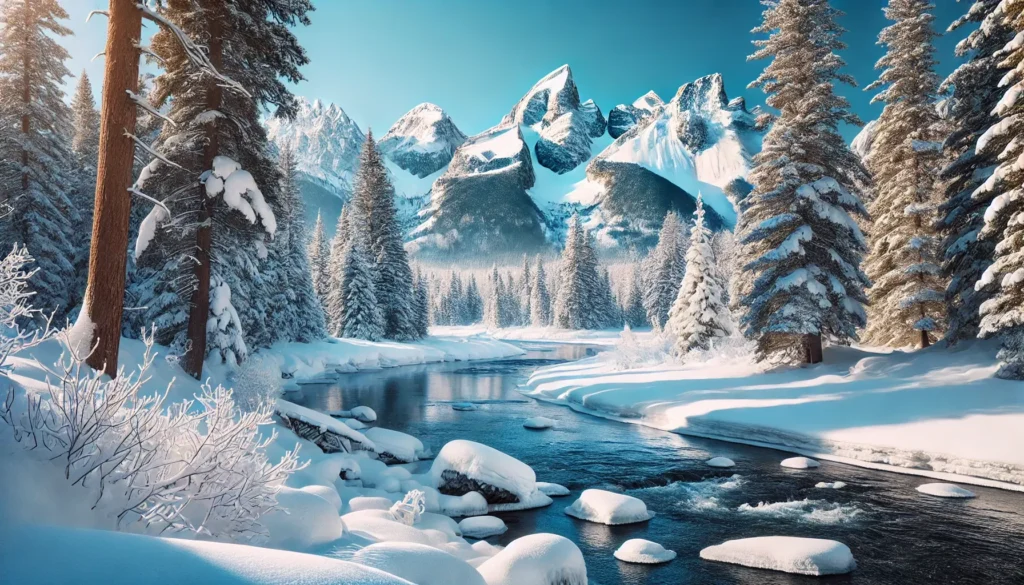
February is one of the best months to visit national parks in the US, offering a mix of winter adventures and scenic beauty. Many parks are covered in snow, creating a magical atmosphere with frozen waterfalls, snow-capped peaks, and fewer crowds. Whether you’re looking for winter sports, breathtaking landscapes, or a peaceful getaway, February is an ideal time to explore nature.
One of the top choices is Zion National Park in Utah. While Zion is a popular destination year-round, February brings fewer visitors, making it easier to explore without the crowds.
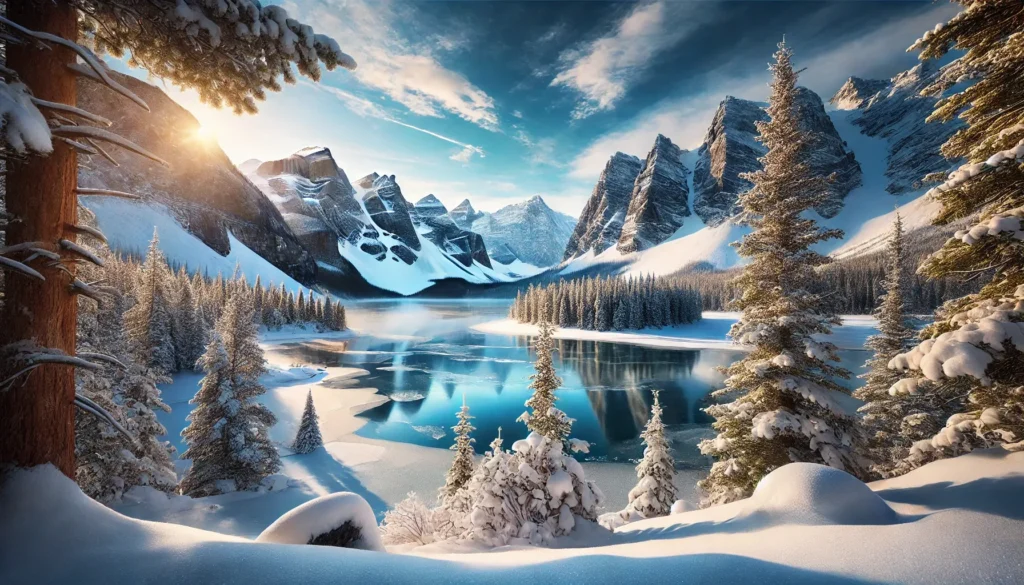
The mild winter temperatures, ranging from 30°F to 57°F (-1°C to 14°C), make hiking more comfortable. Popular trails like Angels Landing and Emerald Pools offer stunning views of the snow-dusted red rock cliffs.
Another must-visit park in February is Grand Canyon National Park in Arizona. The South Rim remains open year-round and offers breathtaking views of the canyon covered in snow.
With temperatures between 18°F and 45°F (-8°C to 7°C), visitors can enjoy peaceful sunrises and sunsets without the summer crowds. Activities like snowshoeing and ranger-led winter programs add to the unique experience.
For those seeking a true winter wonderland, Yellowstone National Park in Wyoming is a perfect choice. February is an excellent time to witness frozen waterfalls, steaming geysers, and incredible wildlife like bison, elk, and wolves roaming through the snow. Visitors can take guided snowcoach tours, go cross-country skiing, or experience the famous Old Faithful geyser erupting against a snowy backdrop. With temperatures ranging from -5°F to 30°F (-20°C to -1°C), proper winter gear is essential.
Arches National Park in Utah is another fantastic option. February’s cooler temperatures (averaging 20°F to 50°F or -6°C to 10°C) make hiking easier, and the red rock formations look even more stunning when lightly dusted with snow. Popular spots like Delicate Arch, Landscape Arch, and Windows Section provide incredible photo opportunities with fewer tourists.
Visiting national parks in February offers unique experiences like snowshoeing, frozen waterfalls, and stunning winter photography. With lower accommodation costs, peaceful trails, and breathtaking landscapes, February is a great time to explore these natural wonders. Whether you prefer a mild climate in Zion or a snowy adventure in Yellowstone, February’s diverse options make it one of the best months for national park exploration.
Best National Parks to Visit in Winter (March)
March marks the transition from winter to spring, making it an excellent time to explore national parks across the US. The weather begins to warm up, wildflowers start to bloom, and hiking trails become more accessible. Whether you’re looking for scenic drives, stunning landscapes, or exciting outdoor activities, March offers the perfect balance between winter’s beauty and spring’s renewal.
Big Bend National Park – Wildflowers and Desert Adventures
Big Bend National Park in Texas is one of the best places to visit in March, thanks to its mild temperatures and blooming desert landscapes. The daytime temperatures range from 50°F to 80°F (10°C to 27°C), making it perfect for hiking. Visitors can explore Santa Elena Canyon, enjoy scenic drives, or witness the colorful Texas bluebonnets and desert marigolds in full bloom. March is also a great time for stargazing, as Big Bend is an International Dark Sky Park with minimal light pollution.
Yosemite National Park – Waterfalls at Their Peak
March is a fantastic time to visit Yosemite National Park in California before the summer crowds arrive. The waterfalls, including Yosemite Falls, Bridalveil Fall, and Vernal Fall, are at their fullest due to melting snow. Although some high-elevation trails remain closed, lower hikes like Mirror Lake Trail and Valley Loop Trail are accessible. With temperatures ranging from 30°F to 60°F (-1°C to 15°C), visitors can enjoy hiking, photography, and breathtaking views of snow-capped granite cliffs.
Great Smoky Mountains National Park – Spring Blooms and Wildlife
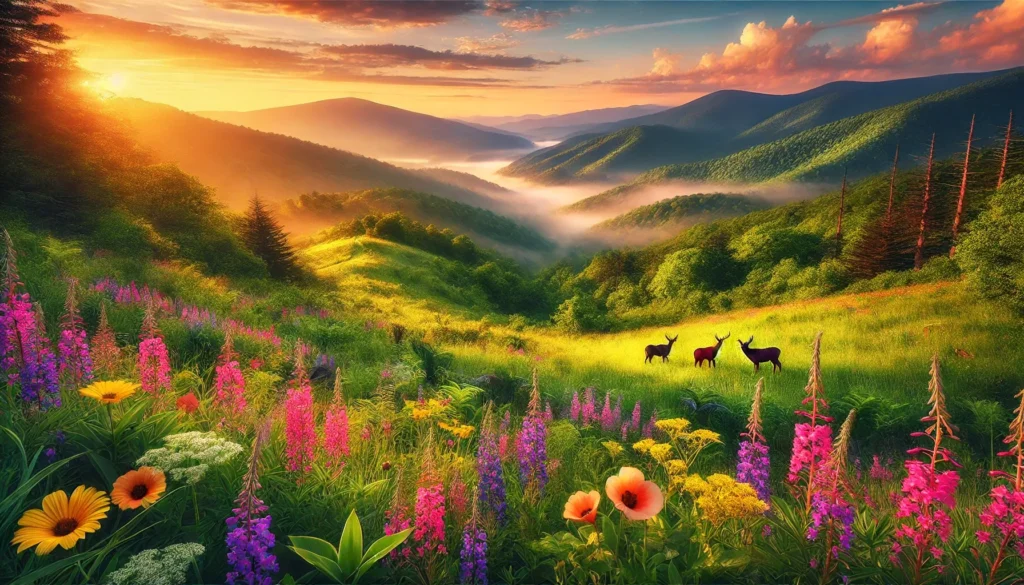
March is the beginning of spring bloom in Great Smoky Mountains National Park, located on the border of Tennessee and North Carolina. Wildflowers such as trout lilies, violets, and trilliums start to emerge, painting the forests with vibrant colors. The park’s wildlife, including black bears, elk, and deer, becomes more active. With mild temperatures averaging 40°F to 65°F (4°C to 18°C), this is a great time for hiking scenic trails like Laurel Falls and Alum Cave and enjoying the park’s stunning landscapes without the heavy summer crowds.
Death Valley National Park – Comfortable Weather and Unique Landscapes
March is one of the best months to visit Death Valley, as the extreme summer heat hasn’t set in yet. Daytime temperatures range from 50°F to 85°F (10°C to 29°C), making it an ideal time for hiking, exploring sand dunes, and visiting Badwater Basin – the lowest point in North America. If conditions are right, visitors may witness the rare superbloom of wildflowers, where the desert transforms into a sea of yellow, purple, and white blossoms.
March offers a mix of spring blooms, perfect hiking conditions, and stunning photography opportunities in these national parks. Whether you prefer the waterfalls of Yosemite, the desert beauty of Big Bend and Death Valley, or the lush landscapes of the Great Smoky Mountains, March is a fantastic time to explore the natural wonders of the US.
Best National Parks to Visit in Winter (December)
December is a fantastic time to explore national parks, whether you’re seeking warm-weather getaways or a winter wonderland experience. While some parks are covered in snow, others offer mild temperatures perfect for outdoor adventures. Here are the best national parks to visit in December for a mix of sunshine, scenic beauty, and unique seasonal activities.
Everglades National Park – Perfect Winter Escape
For those looking to escape the cold, Everglades National Park in Florida is an excellent December destination. The weather is mild, with temperatures ranging from 50°F to 77°F (10°C to 25°C), making it ideal for airboat tours, kayaking, and wildlife spotting. December falls within the dry season, meaning fewer mosquitoes and better chances of seeing alligators, manatees, and a variety of bird species. It’s also a great time to take the Anhinga Trail for close-up views of Everglades’ diverse ecosystem.
Big Bend National Park – Mild Weather & Stargazing
Big Bend National Park in Texas is another warm-weather getaway, offering comfortable daytime temperatures of 40°F to 70°F (4°C to 21°C) in December. The park’s desert landscapes, canyons, and river trails are perfect for hiking and scenic drives without the intense summer heat. Visitors can explore Santa Elena Canyon, soak in the Hot Springs, or enjoy some of the best stargazing in the US, as Big Bend is an International Dark Sky Park.
Saguaro National Park – Iconic Cacti and Scenic Hikes
If you want to experience the beauty of the Sonoran Desert, Saguaro National Park in Arizona is a top pick for December. The park is home to the towering saguaro cacti, which make for stunning landscapes, especially during sunrise and sunset. With mild temperatures ranging from 40°F to 70°F (4°C to 21°C), visitors can enjoy hiking trails like the Valley View Overlook Trail and Signal Hill Trail, both offering incredible desert views.
Death Valley National Park – Best Time to Explore
December is one of the best times to visit Death Valley National Park, as the scorching summer heat is replaced by mild and comfortable temperatures between 40°F and 70°F (4°C to 21°C). The park’s otherworldly landscapes, including Badwater Basin, Zabriskie Point, and Mesquite Flat Sand Dunes, are perfect for exploring. Visitors can take scenic drives, hike through golden canyons, and capture breathtaking photos without worrying about extreme heat.
Best National Parks for Snow Lovers
For those who love snowy landscapes, winter adventures, and peaceful nature, visiting national parks in winter offers a magical experience. Whether you enjoy snowshoeing, snowmobiling, winter wildlife spotting, or breathtaking frozen scenery, these parks provide some of the best winter experiences in the US.
Yellowstone National Park – Snowmobiling & Winter Wildlife
Yellowstone National Park transforms into a winter wonderland, offering a unique and serene experience compared to the busy summer months. The park is only accessible by guided snowmobile and snowcoach tours, adding an element of adventure. Visitors can see Old Faithful erupting against a snowy backdrop, explore the Grand Canyon of Yellowstone, and spot bison, wolves, and elk in their natural winter habitat.
Yosemite National Park – Frozen Waterfalls & Snow-Covered Peaks
Yosemite National Park is breathtaking in winter, with its iconic waterfalls freezing into ice sculptures and its granite cliffs dusted with snow. Visitors can enjoy winter hikes to Bridalveil Fall, take stunning photos of El Capitan and Half Dome, and experience the Yosemite Valley blanketed in snow. For snow lovers, Badger Pass Ski Area offers skiing, snowboarding, and snowshoeing, making it a must-visit winter destination.
Rocky Mountain National Park – Snowshoeing & Elk Sightings
If you love backcountry skiing and snowshoeing, Rocky Mountain National Park is a fantastic choice. The park offers miles of trails, such as the Bear Lake and Dream Lake trails, which provide spectacular snowy views. Wildlife enthusiasts can spot elk, bighorn sheep, and moose roaming through the snow-covered forests. With its rugged mountains and frozen lakes, this park is a dream come true for snow lovers and adventure seekers.
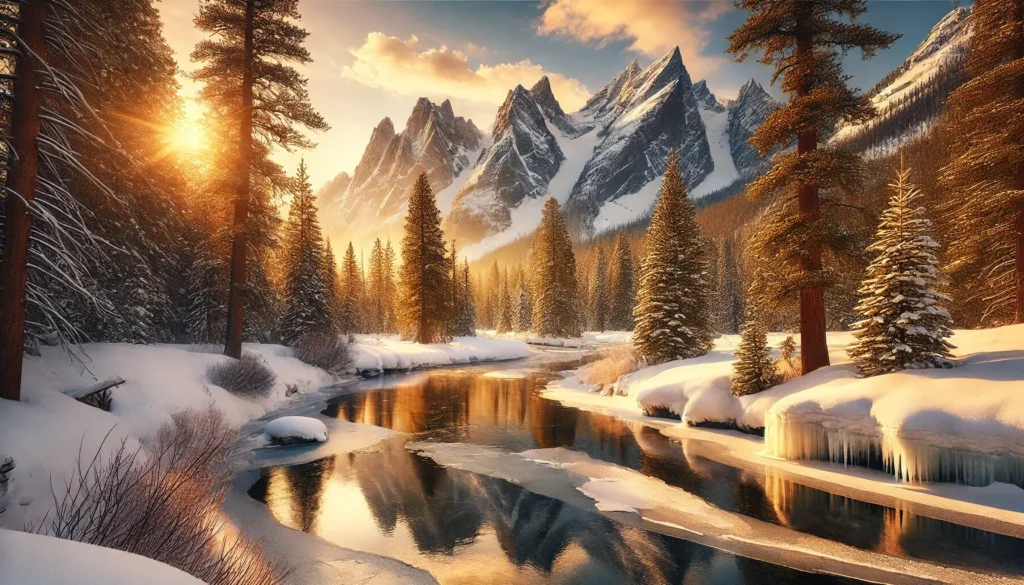
Glacier National Park – Winter Photography & Untouched Snow Landscapes
Glacier National Park in Montana is a paradise for winter photographers and solitude seekers. With pristine snow-covered mountains, frozen lakes, and quiet wilderness, it offers a peaceful and untouched winter escape. Activities include cross-country skiing, backcountry camping, and scenic winter drives along the Going-to-the-Sun Road (partially open in winter). This park is perfect for those looking to experience raw and untouched winter beauty.
Mount Rainier National Park – Snow-Covered Volcano & Winter Camping
For a truly majestic winter experience, Mount Rainier National Park is a must-visit. The park’s massive snow-covered volcano, dense evergreen forests, and open snowfields make it a playground for snowshoers, winter campers, and mountaineers. The Paradise area receives heavy snowfall, offering some of the best snowshoeing and winter camping opportunities in the country.
Best National Parks for Warm Winter Getaways
If you’re looking to escape the cold winter months and enjoy mild temperatures, breathtaking landscapes, and outdoor adventures, these warm-weather national parks offer the perfect retreat. From desert landscapes to coastal wetlands, these parks provide a pleasant winter experience with fewer crowds and comfortable weather.
Grand Canyon National Park – Mild Weather & Scenic Beauty
Winter is one of the best times to visit Grand Canyon National Park, as the temperatures are cooler and the crowds are smaller. Unlike the intense summer heat, winter offers comfortable hiking conditions along trails like Bright Angel Trail and South Kaibab Trail. The south rim remains open year-round, offering breathtaking views of the canyon, sometimes with a light dusting of snow, creating a unique contrast against the red rock formations.
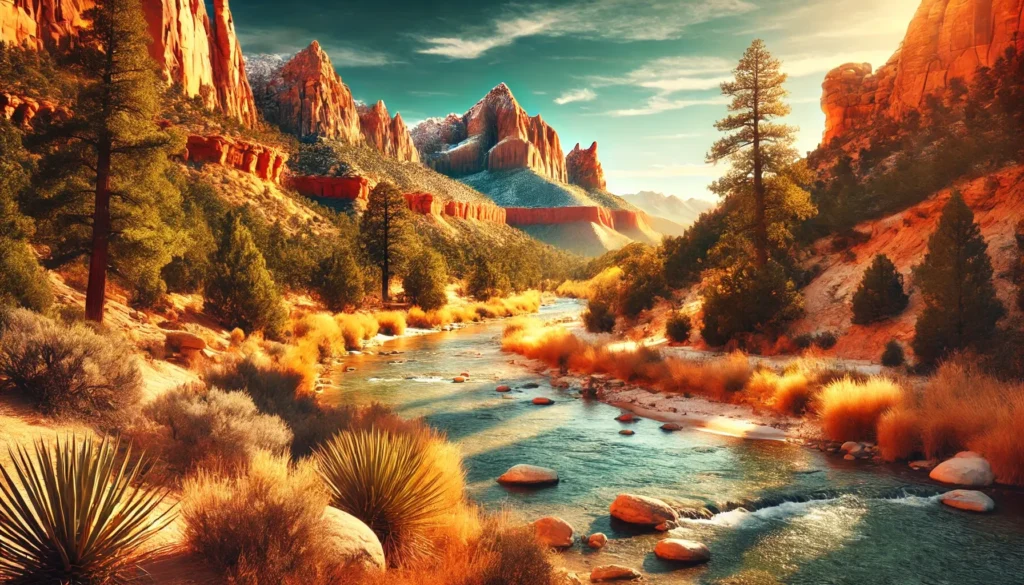
Saguaro National Park – Desert Landscapes & Warm Temperatures
For those seeking a true desert escape, Saguaro National Park in Arizona is a fantastic option. The park is home to the iconic Saguaro cactus, which dominates the Sonoran Desert landscape. Winter brings mild temperatures (60s-70s°F), making it ideal for hiking, scenic drives, and photography. Visitors can explore trails like Valley View Overlook Trail and enjoy sunsets over the cactus-filled landscape.
Everglades National Park – Perfect for Wildlife Viewing in Winter
Everglades National Park in Florida is best visited in winter, as it is the dry season, which means fewer mosquitoes, pleasant temperatures, and abundant wildlife. Visitors can enjoy airboat tours, kayak adventures, and wildlife spotting, with opportunities to see alligators, manatees, and a variety of bird species. Popular spots like Shark Valley, Anhinga Trail, and Flamingo Visitor Center offer excellent wildlife viewing and scenic beauty.
Big Bend National Park – Diverse Landscapes & Fewer Crowds
Located in Texas, Big Bend National Park is one of the most remote and least crowded national parks, making it a great destination for those looking for peace and solitude. The park features mountains, desert, and the Rio Grande River, offering diverse landscapes to explore. Winter temperatures are perfect for hiking, with trails like the Lost Mine Trail and Santa Elena Canyon providing spectacular views.
Death Valley National Park – Best Time to Visit Without Extreme Heat
Known for being the hottest place on Earth, Death Valley National Park is best visited in winter, when temperatures are mild and comfortable. This is the ideal time to explore its unique landscapes, such as Badwater Basin (the lowest point in North America), Mesquite Flat Sand Dunes, and Zabriskie Point. Winter also offers the chance to see rare desert wildflowers, adding color to the otherwise rugged desert terrain.
Rules & Regulations for Visiting National Parks in Winter
Winter brings a unique and beautiful experience in national parks, but it also comes with specific rules and regulations to ensure visitor safety and park preservation. Understanding these winter guidelines will help make your visit smooth, enjoyable, and environmentally friendly.
Permits & Restricted Areas During Winter
Many national parks have seasonal closures and restricted areas due to snowfall, icy conditions, and wildlife protection measures. Some parks require special permits for winter activities, such as:
- Backcountry camping permits in parks like Yellowstone and Glacier National Park
- Snowmobiling permits in Yellowstone National Park
- Limited access to certain trails and roads in Rocky Mountain National Park and Grand Canyon’s North Rim, which closes in winter
- Avalanche-prone areas may be off-limits in parks with mountainous terrain, such as Yosemite and Mount Rainier
Before visiting, always check the park’s official website for road closures, permit requirements, and safety guidelines.
Wildlife Safety Guidelines
Winter is a critical survival period for wildlife, and visitors must respect their space. Here are some important wildlife safety tips:
- Maintain a safe distance: Stay at least 100 yards from predators like bears and wolves and 25 yards from other wildlife like elk and bison.
- Never feed wildlife: Feeding disrupts their natural diet and behaviors.
- Use binoculars or a zoom lens instead of approaching animals.
- Be aware of winter behaviors: Many animals, such as moose and bison, can be more aggressive in winter due to limited food sources.
- Store food properly when camping in bear country, as some bears may still be active.
Camping & Lodging Rules
Camping in winter requires extra preparation due to cold temperatures and snowfall. Here are some key rules for winter camping and lodging:
- Only camp in designated areas: Some parks allow backcountry camping, while others require visitors to stay in designated campgrounds.
- Check if the campground is open: Some campgrounds, like those in Yosemite and Yellowstone, remain open in winter, but others close or operate with limited facilities.
- Follow fire regulations: Some parks have restrictions on campfires to prevent forest damage.
- Pack proper winter gear: A four-season tent, insulated sleeping bag, and cold-weather clothing are essential for safe camping.
Leave No Trace Principles
Following the Leave No Trace principles is especially important in winter landscapes, where snow can hide trash but doesn’t eliminate its impact. Key guidelines include:
- Pack out all trash, including food wrappers, tissues, and biodegradable waste.
- Stay on designated trails to avoid damaging fragile ecosystems beneath the snow.
- Respect park rules regarding firewood collection and campsite locations.
- Minimize noise pollution to preserve the tranquil winter environment for both wildlife and other visitors.
National Park Entry Fees in Winter
Visiting national parks in winter can be an affordable way to experience stunning landscapes and seasonal activities. Many parks offer discounted rates, free entrance days, and special passes to make your visit budget-friendly. Here’s everything you need to know about entry fees for national parks in winter.
Free Entrance Days
The National Park Service (NPS) offers several free entrance days throughout the year, allowing visitors to explore national parks without paying admission fees. Some key winter free entrance days include:
- Martin Luther King Jr. Day (January)
- Presidents’ Day (February)
These free days are great opportunities to visit some of the most popular national parks without worrying about entry costs. However, camping fees, tour costs, and other activities may still apply.
Discounts & Passes
The NPS offers a variety of passes and discounts that can help visitors save money:
- America the Beautiful Annual Pass ($80) – Grants unlimited access to all U.S. national parks for one year. Ideal for frequent travelers.
- Senior Pass ($20 annual / $80 lifetime) – Available for U.S. citizens aged 62 and older.
- Military Pass (Free) – Active-duty military personnel and their families can enter national parks for free.
- 4th Grade Pass (Free) – Allows all U.S. 4th graders and their families to visit national parks for free for a full year.
- Access Pass (Free) – Available for U.S. citizens with disabilities, offering lifetime free entry to national parks.
These passes are an excellent option for families, seniors, and frequent travelers looking to save on entry fees.
Cost Comparison of Different Best National Parks to Visit in Winter
Entry fees vary depending on the park, and some parks offer reduced rates or free entry in winter due to lower demand. Below is a comparison of entry fees for popular winter national parks:
| National Park | Winter Entry Fee (per vehicle) |
| Everglades National Park | $30 |
| Big Bend National Park | $30 |
| Saguaro National Park | $25 |
| Death Valley National Park | $30 |
| Joshua Tree National Park | $30 |
| Bryce Canyon National Park | $35 |
| Zion National Park | $35 |
| Grand Canyon National Park | $35 |
| Yellowstone National Park | $35 |
| Arches National Park | $30 |
| Yosemite National Park | $35 |
| Great Smoky Mountains National Park | Free |
- Parks like Great Smoky Mountains offer free entry year-round, making them great budget-friendly options.
- Desert parks like Death Valley, Joshua Tree, and Saguaro have mild winter weather, making them perfect for a warm getaway.
- Parks with higher fees (e.g., Yellowstone, Yosemite, and Grand Canyon) offer unique winter experiences such as snow-covered landscapes, wildlife viewing, and winter sports.
Conclusion
The best national parks to visit in winter offers a unique and unforgettable experience, whether you seek snowy landscapes or warm winter getaways. Winter provides several advantages, including fewer crowds, budget-friendly accommodations, and breathtaking scenery. From Yellowstone and Yosemite for snow lovers to Everglades and Death Valley for mild winter adventures, there’s a perfect park for every traveler.
For those planning a trip, considering the best months to visit—December, January, February, and March—can help maximize the experience. Each month offers different highlights, such as frozen waterfalls, wildlife sightings, and ideal hiking conditions. Families can enjoy kid-friendly parks like Joshua Tree, Bryce Canyon, and Everglades, which offer easy hikes, educational programs, and exciting activities.
Understanding the rules, regulations, and entry fees is crucial for a smooth visit. Many parks have seasonal restrictions, wildlife safety guidelines, and special permits for winter visitors. Additionally, travelers can save money by taking advantage of free entrance days, annual passes, and discounted rates.
Whether you prefer snowshoeing in Glacier National Park, hiking in the Grand Canyon, or spotting alligators in the Everglades, winter is a perfect time to explore America’s natural wonders. With the right planning, you can enjoy stunning landscapes, peaceful environments, and thrilling outdoor activities, making your winter national park adventure truly unforgettable. If you want to learn more about the best national parks to visit in US click the link.


